
Manatee Spotting 101: A Guide to the Indian River Lagoon's Gentle Giants
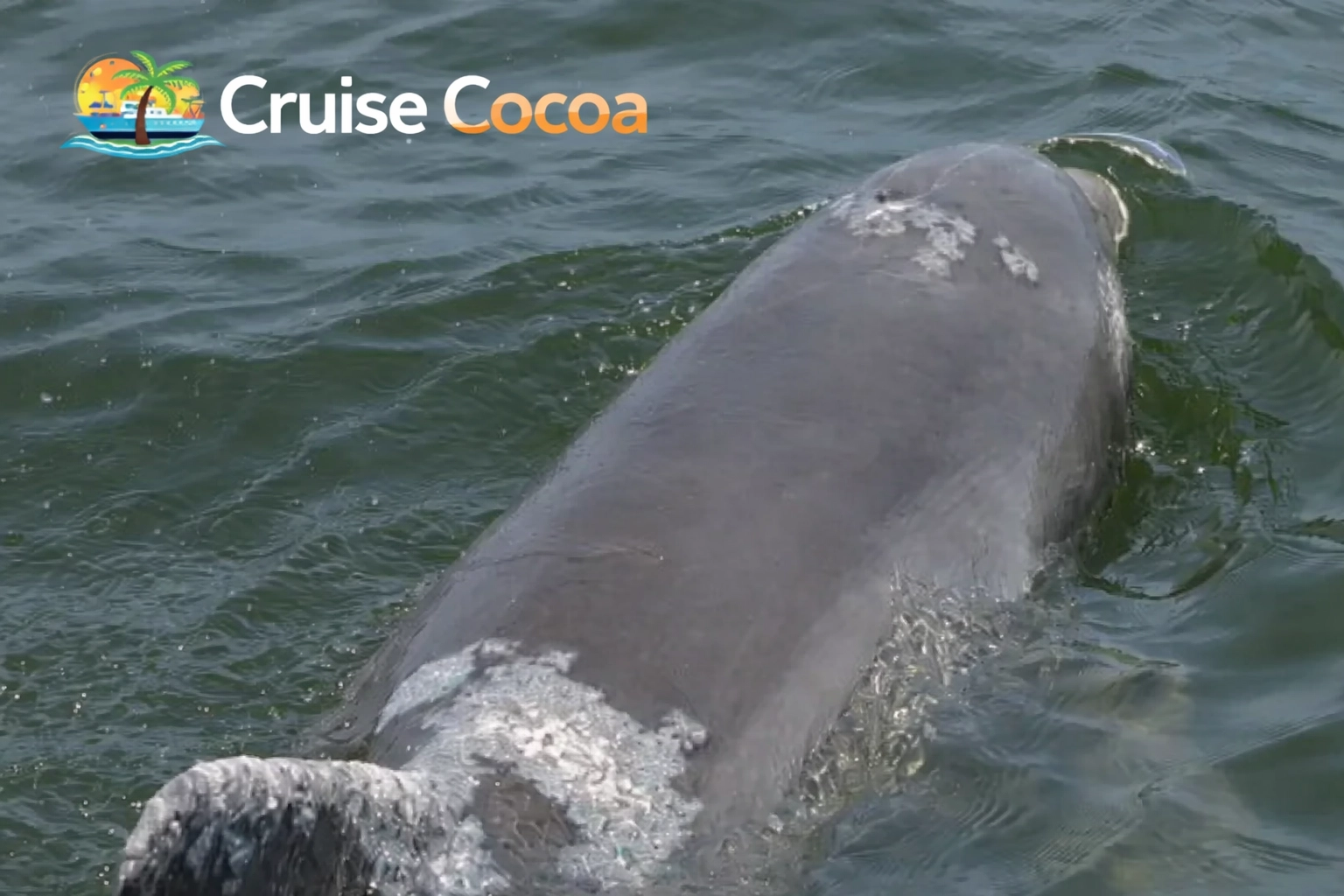
There's something magical about the moment a manatee surfaces just a few feet from your boat. That gentle whoosh of breath, the whiskered snout breaking the water, and those curious eyes looking up at you: it's an experience that stays with you long after you've headed home.
If you're searching for boat tours Cocoa Beach FL offers, you're in luck. The Indian River Lagoon is one of the best places in Florida to encounter these lovable "sea cows" in their natural habitat. And we're not just saying that because we spend our days cruising these waters aboard Lei'd Back and This Island. The lagoon's warm, shallow waters and rich seagrass meadows create the perfect sanctuary for manatees year-round.
Ready to become a manatee-spotting pro? Let's dive in.
Why the Indian River Lagoon Is Manatee Paradise
The Indian River Lagoon stretches 156 miles along Florida's east coast (source: U.S. EPA PDF), making it one of the most biodiverse estuaries in North America. But what makes it truly special for manatees?
It all comes down to three things:
-
Warm water temperatures – Manatees can't handle cold water. They need temperatures above 68°F to survive, and the lagoon delivers year-round warmth.
-
Abundant seagrass – These gentle giants munch on 100–150 pounds of vegetation per day (source: Save the Manatee Club). The lagoon's seagrass meadows are basically an all-you-can-eat buffet.
-
Shallow, protected waters – Manatees prefer calm, shallow areas where they can easily surface to breathe. The lagoon's mangrove-lined shores provide the perfect protected environment.
When you book Merritt Island boat tours, you're positioning yourself in the heart of manatee territory. The waters around Cocoa Beach and Merritt Island offer some of the most consistent manatee sightings on the Space Coast.
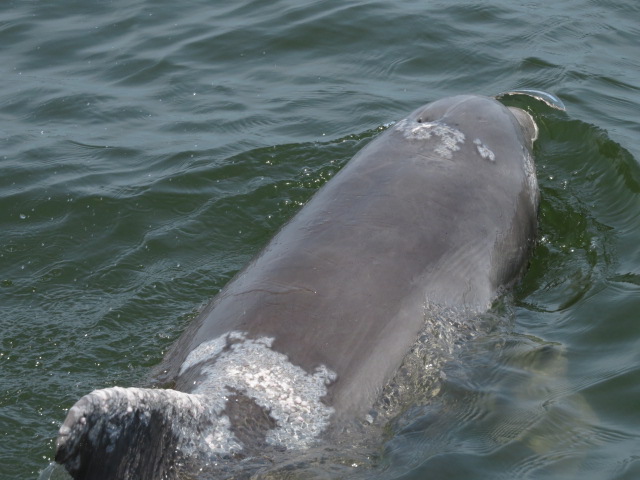
The Best Time to See Manatees
Here's some good news: you can spot manatees in the Indian River Lagoon during any season. Unlike other Florida locations where manatees only congregate during winter months, our lagoon's consistently warm waters support a healthy population year-round.
That said, timing matters:
-
November through April is peak season. As temperatures drop elsewhere, manatees migrate to the lagoon's warm waters in greater numbers. This is when you'll see the most activity, including mothers with calves.
-
Early morning tours often provide the best sightings. Manatees tend to be more active in the cooler morning hours, feeding and moving through the waterways.
-
Winter mornings are the sweet spot. Combine peak season with optimal daily timing, and you've got a recipe for manatee magic.
If you're planning a winter visit to the Space Coast (maybe to catch a rocket launch?), be sure to add a manatee tour to your itinerary. It's one of the best ways to experience Florida wildlife up close.
How to Actually Spot a Manatee
Manatees aren't always obvious. They spend most of their time underwater, surfacing every 3-5 minutes to breathe. But once you know what to look for, you'll start noticing them everywhere.
5 Signs a Manatee Is Nearby
-
The "manatee footprint" – This is the telltale sign. When a manatee pushes its tail down to swim, it creates a distinctive circular ripple pattern on the water's surface. It looks like a smooth, flat spot surrounded by small waves.
-
Bubbles rising – Manatees release air bubbles as they move along the bottom. A trail of bubbles often means one is passing below.
-
The breathing sound – Listen for a gentle whooshing sound, almost like a soft exhale. That's a manatee surfacing for air.
-
Gray shapes beneath the surface – On calm days, you can often see their large, grayish bodies gliding through the shallows.
-
Backs, snouts, and tails breaking the surface – Sometimes they'll roll, exposing their paddle-shaped tails or whiskered faces.
Pro Tip: Bring Polarized Sunglasses
This is the single best piece of advice for manatee spotting. Polarized lenses cut through the water's glare and let you see beneath the surface. Without them, you're missing half the show.
Best Ways to See Manatees in the Cocoa Beach Area
You've got options when it comes to manatee viewing. Here's a breakdown:
From Shore
Several parks along the lagoon offer excellent viewing opportunities:
- Kennedy Point Park in Titusville features a protected cove where manatees frequently gather.
- Manatee Cove Park in Indialantic is a reliable year-round spot with kayak launches and amenities.
- Kiwanis Park at Geiger Point provides elevated overlooks of the lagoon.
From the Water
Let's be honest: the best way to experience manatees is from a boat. You'll cover more territory, encounter wildlife in their natural habitat, and have guides who know exactly where to look.
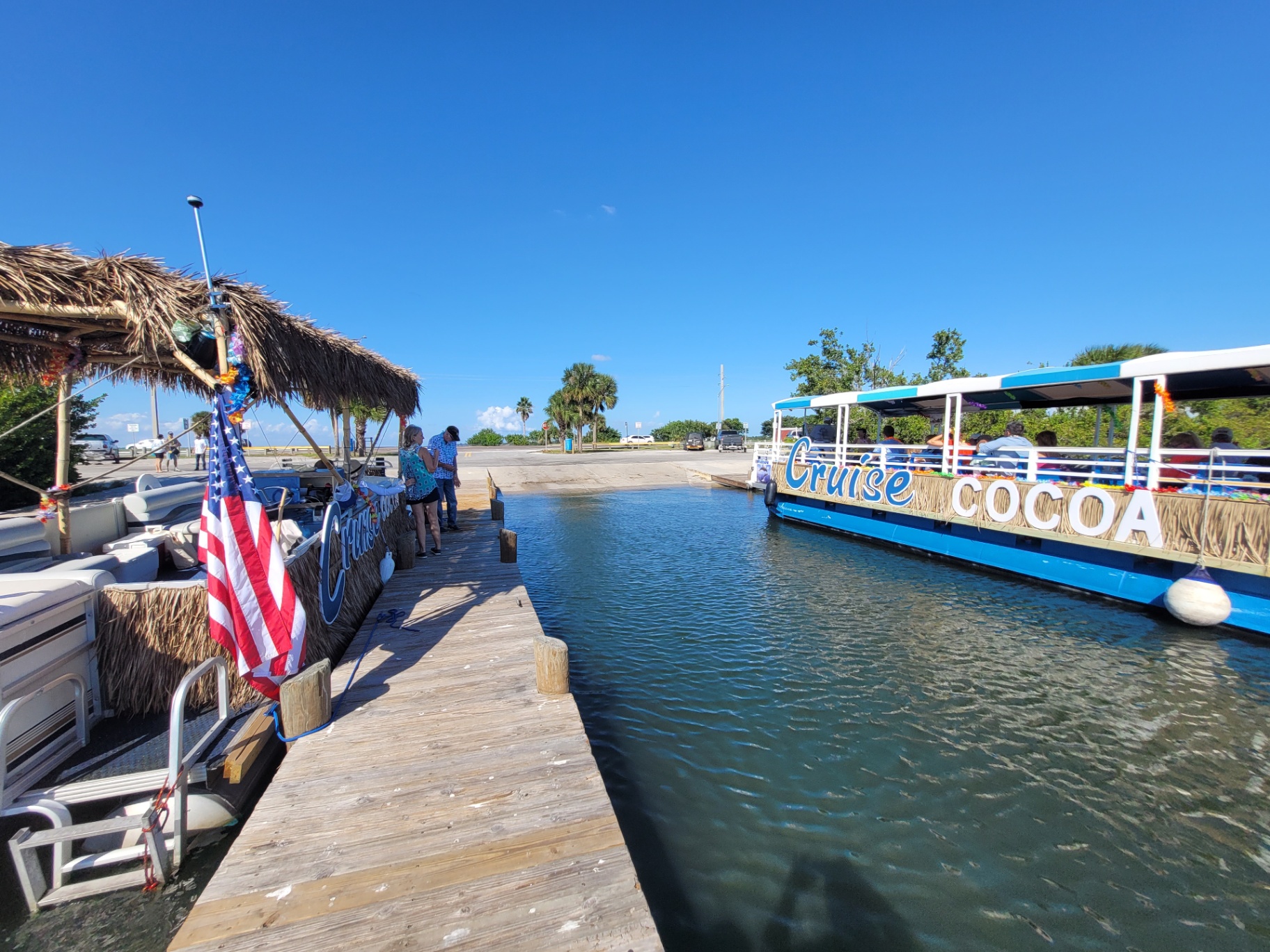
Our two vessels, Lei'd Back and This Island, cruise the Indian River Lagoon daily. Lei'd Back is our laid-back tiki boat perfect for smaller groups who want a more intimate experience. This Island is our larger 23-passenger vessel, ideal for families and groups looking for a social, scenic cruise.
Both boats are designed for wildlife viewing, with open seating that gives everyone a great vantage point. And because we're out on the water every day, our captains know the manatees' favorite hangouts.
Being a Responsible Manatee Watcher
Manatees are protected under federal law, and for good reason. Boat strikes remain one of the biggest threats to their survival. When you're out on the water: whether on a tour or in your own vessel: following these guidelines helps keep them safe.
The Rules of Respectful Viewing
-
Maintain at least 50 feet of distance while boating near manatees.
-
Cut your engine if a manatee approaches. Let them come to you rather than chasing them.
-
Never touch, feed, or pursue manatees. As tempting as it might be, physical contact stresses them and is illegal.
-
Avoid shallow seagrass areas. These are critical feeding grounds. Boat propellers can damage the vegetation manatees depend on.
-
Watch your wake. In manatee zones, slow down to minimize disturbance.
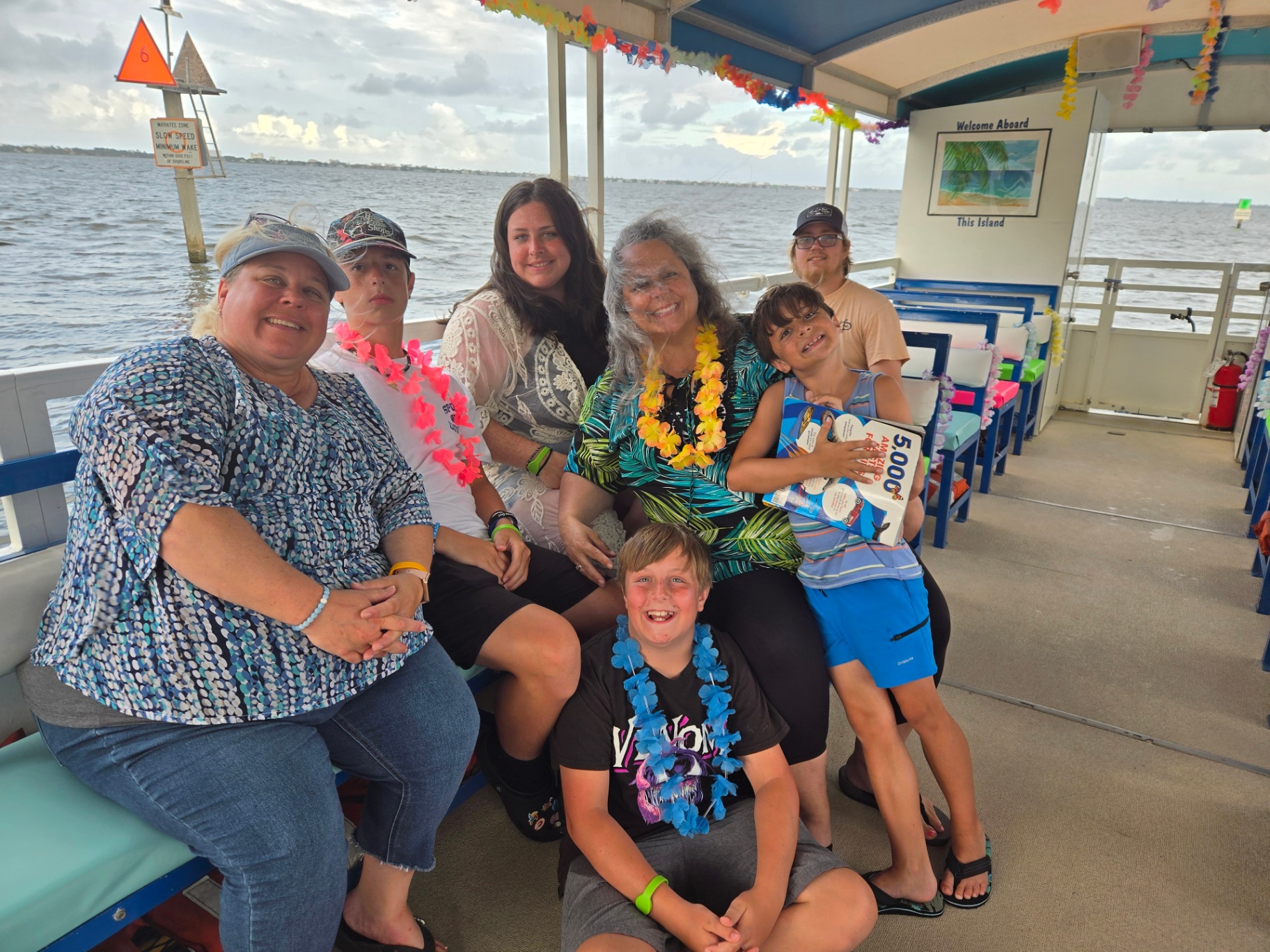
On our tours, we take these guidelines seriously. Our captains are trained to spot manatees from a distance and position the boat for optimal viewing without disturbing them. It's better for the manatees, and honestly, it's better for you too: relaxed manatees stick around longer.
What to Bring on Your Manatee Tour
Packing smart makes your experience even better. Here's your quick checklist:
- Polarized sunglasses (seriously, don't skip this one)
- Sunscreen and a hat – Florida sun is no joke, even in winter
- Camera or smartphone – You'll want to capture the moment
- Water bottle – Stay hydrated out there
- Light jacket (winter months) – Mornings on the water can be cool
- Snacks and drinks – Our BYOB tiki boat tours mean you can bring your own refreshments
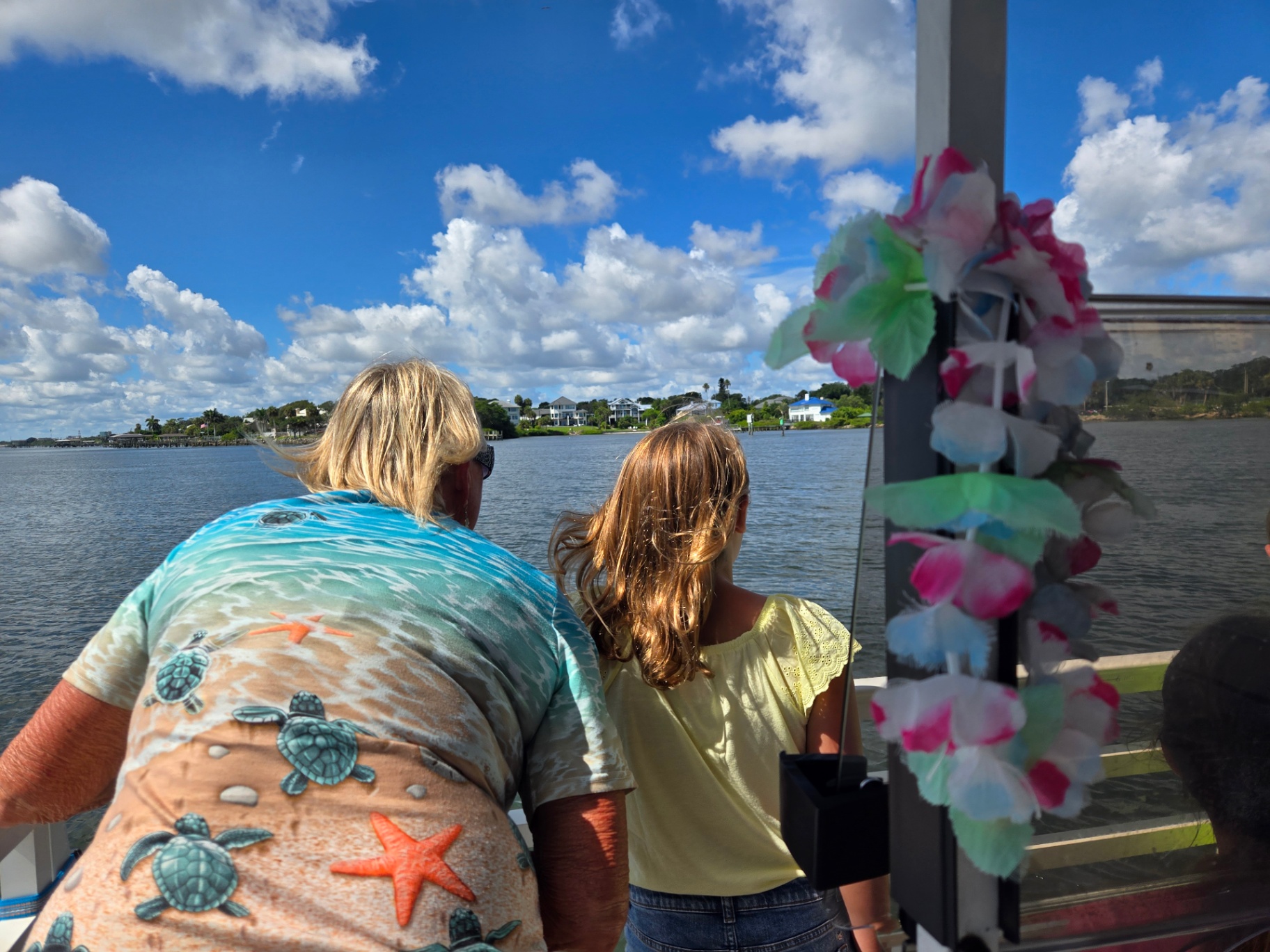
Ready to Meet the Gentle Giants?
The Indian River Lagoon is waiting, and so are the manatees. Whether you're a first-time visitor to the Space Coast or a local who's never taken the time to explore these waters, a manatee encounter is something everyone should experience at least once.
Before you go, be sure to check out a few other Cruise Cocoa guides to round out your trip planning:
- Dolphin Sightseeing Tours in Cocoa Beach & Melbourne
- Sunset Cruises on Florida’s Space Coast
- Rocket Launch Viewing Tours from the Water
- Bioluminescence Tours: What to Expect (and What to Bring)
Our boat tours Cocoa Beach FL visitors love combine wildlife viewing with the relaxed, tropical vibe that makes Florida special. Grab your sunglasses, round up your crew, and come see what makes the Indian River Lagoon one of Florida's best-kept secrets.
Book your tour and let's go find some manatees together. 🐬