How to Master the Art of Anchoring

Mastering the Art of Anchoring
Mastering the Art of Anchoring:
Proper Techniques and Choosing the Right Anchor
Dropping anchor is a fundamental skill every boater must master. Whether you’re pausing for a swim, waiting out a storm, or enjoying a peaceful evening under the stars, anchoring is essential for safety and stability on the water. In this guide, we’ll explore the proper techniques for anchoring, the different types of anchors, and how to choose the right one for your boating adventures.
Proper Techniques for Dropping Anchor
Anchoring may seem straightforward, but doing it correctly ensures your boat remains secure and prevents damage. Follow these steps for a successful anchoring experience:

1. Choose Your Anchoring Spot
- Check the Depth: Use a depth sounder or chart to find an appropriate depth for anchoring.
- Examine the Seabed: Different anchors work better on specific seabeds, such as sand, mud, or rock.
- Avoid Crowded Areas: Ensure there’s enough space to swing with the wind or current without colliding with other boats.
2. Prepare the Anchor and Rode
- Inspect Your Gear: Check the anchor, chain, and line for wear and tear.
- Calculate Scope: A general rule is to use a scope (the ratio of anchor line to water depth) of 7:1 in calm conditions and up to 10:1 in rough seas.
3. Drop the Anchor
- Position your boat with the bow into the wind or current.
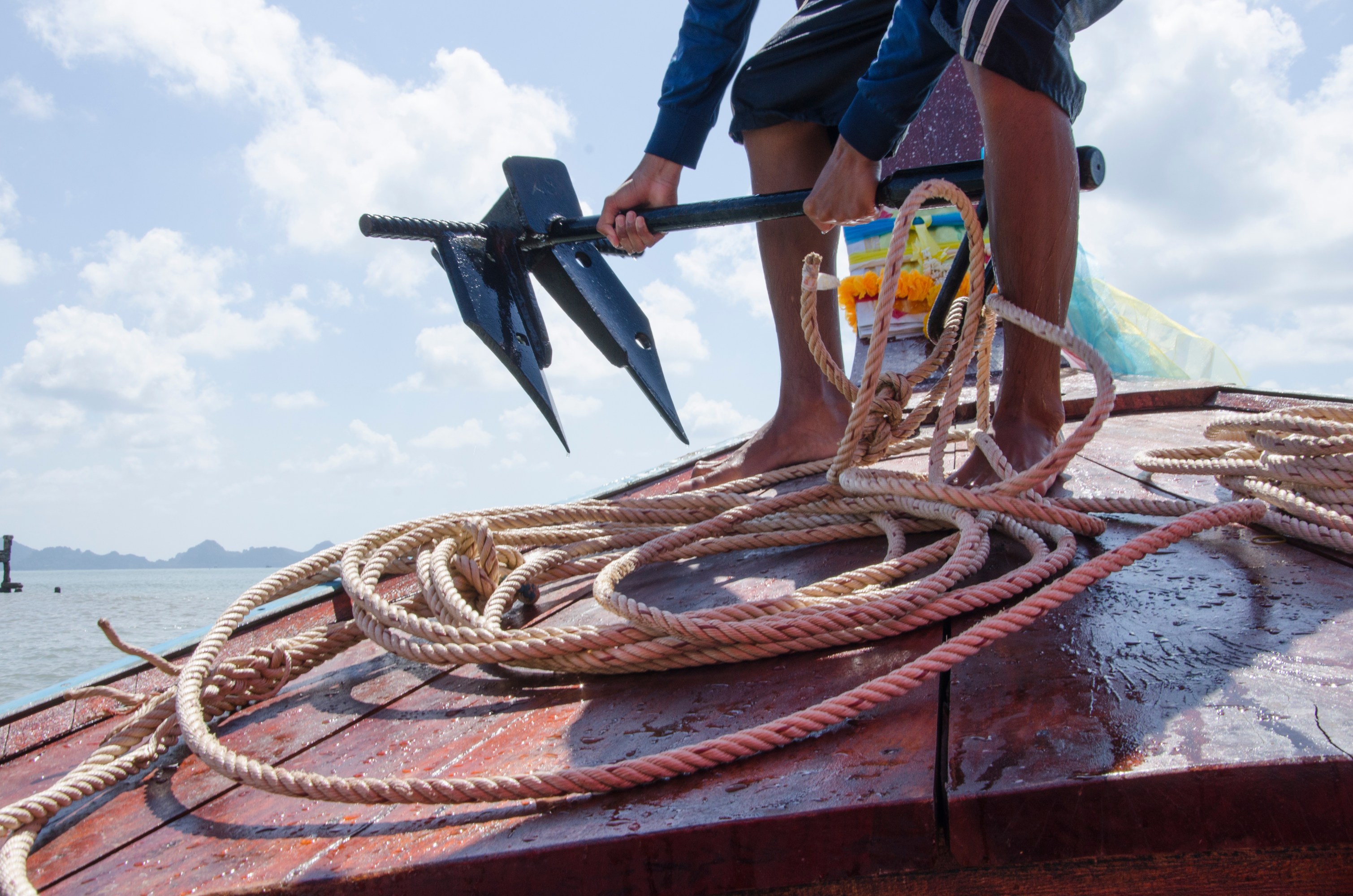
- Slowly lower the anchor—never throw it—until it reaches the seabed.
- Allow the boat to drift backward or reverse gently as you pay out the rode.
4. Set the Anchor
- Once enough line is released, secure the rode to a cleat.
- Slowly reverse the boat to dig the anchor into the seabed.
- Check that the anchor is holding by observing stationary landmarks or using GPS.
5. Monitor Your Position
- Regularly check your surroundings to ensure the anchor hasn’t dragged.
Types of Anchors and Their Uses
Choosing the right anchor is crucial for a secure hold. Here are some of the most common types:
1. Danforth Anchor
- Best For: Sand and mud.
- Features: Lightweight with long, flat flukes that dig into soft seabeds.
2. Plow Anchor (CQR)
- Best For: Sand, mud, and grass.
- Features: Versatile and effective on a variety of seabeds. Ideal for larger boats.
3. Bruce (Claw) Anchor
- Best For: Sand, mud, and rocky bottoms.
- Features: Easy to set and works well in changing wind and current conditions.
4. Mushroom Anchor
- Best For: Lakes and soft mud.
- Features: Shaped like a mushroom, this anchor is designed for small, lightweight vessels.
5. Grapnel Anchor
- Best For: Rocky bottoms and smaller vessels like kayaks.
- Features: Folding design makes it compact and easy to store.

Common Anchoring Mistakes to Avoid
- Not Using Enough Scope: Insufficient line can prevent the anchor from setting properly.
- Throwing the Anchor: This can lead to tangling or poor placement on the seabed.
- Ignoring Weather Conditions: Wind and tides can shift your boat’s position, so always monitor the forecast.
Final Thoughts: Anchoring with Confidence
Mastering the art of anchoring is a vital skill for every boater. By understanding the types of anchors and following proper techniques, you can enjoy a stress-free experience on the water. Anchoring isn’t just about securing your boat—it’s about creating moments of relaxation, adventure, and connection with nature.
For guided tours with experienced captains, book with Cruise Cocoa and experience the beauty of Florida’s waterways like never before.