
What is the cause of Storm Surge?
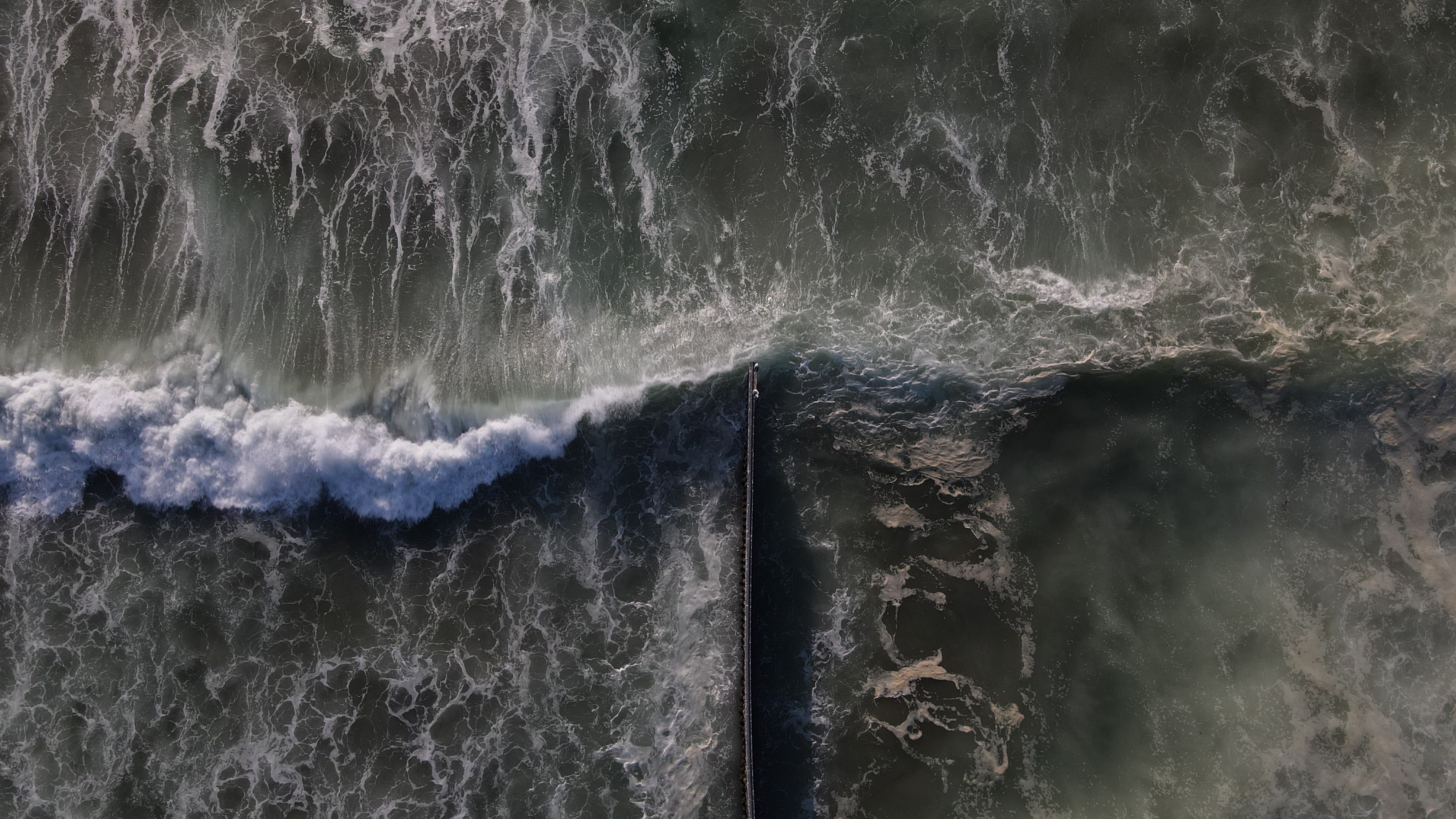

What is Storm Surge?
Understanding What is Storm surge; the Threat and Impact on Coastal Areas
Living in a coastal area comes with many natural wonders—beaches, wildlife, and stunning views. However, coastal residents and visitors also face certain risks, particularly when it comes to storms. One of the most dangerous and often misunderstood threats is storm surge. Understanding what storm surge is, how it forms, and the impact it can have on coastal communities is key to preparing for the next big storm.

What is Storm Surge?
Storm surge is the abnormal rise in water level that occurs in coastal areas due to the combined effects of strong winds, low atmospheric pressure, and waves produced by a hurricane or a tropical storm. Unlike regular tides, which are caused by gravitational forces from the moon and sun, storm surge can be much higher than the normal high tide and can be extremely dangerous.
The surge results from a massive volume of water being pushed toward the shore by the storm’s strong winds, causing the water level to rise rapidly. This surge often leads to flooding, and the highest levels usually occur along the immediate coastline.
How Does Storm Surge Form?
Storm surge is primarily driven by the following factors:
- Strong Winds: The winds associated with a hurricane or tropical storm can push large amounts of water toward the shore. These winds often move in a circular motion around the storm’s center, piling water up along the coast.
- Low Atmospheric Pressure: As a storm’s central pressure drops, it creates a “vacuum” effect, causing the water to rise. The lower the pressure, the higher the surge.
- Wave Action: Large, powerful waves associated with the storm can also contribute to the surge. Waves can be further amplified as the water is pushed toward the shore.

Storm Surge vs. Regular High Tide
Unlike regular tidal changes that are predictable, storm surge can cause a dramatic and unexpected rise in water levels. High tides are influenced by the moon and sun and occur at regular intervals. On the other hand, storm surges are much more variable and dependent on the storm’s size, strength, and the local coastline’s topography.
While regular tides may raise water levels by a few feet, storm surge can raise water levels by several feet—sometimes as much as 20 feet or more. This dramatic rise can flood coastal roads, homes, and other infrastructure, causing significant damage.
The Impact of Storm Surge
The effects of storm surge can be catastrophic, especially in low-lying coastal areas. Some of the primary consequences of storm surge include:
- Flooding: Surge water can inundate entire communities, forcing evacuations and causing severe damage to homes, buildings, and infrastructure. Floodwaters can also linger long after the storm has passed, complicating recovery efforts.
- Beach Erosion: The force of the surge can erode beaches, wash away dunes, and destroy coastal habitats.
- Damage to Marine Ecosystems: The saltwater from storm surge can negatively impact local ecosystems, including freshwater rivers, marshes, and agricultural areas.
- Transportation Disruption: Roads and bridges may be flooded or washed out, making it difficult to access affected areas.
How Storm Surge is Measured and Predicted
Storm surge is one of the key factors meteorologists focus on when predicting the potential impact of a hurricane or tropical storm. Surge levels can be measured using tide gauges, buoys, and satellite data. Additionally, the National Hurricane Center (NHC) provides storm surge forecasts based on the storm’s intensity, track, and proximity to land.
Meteorologists use storm surge models to predict where the water will rise, how far inland it will extend, and how high it will reach. This data helps emergency management teams issue warnings and prepare communities.
Preparing for Storm Surge
If you live in a coastal area that’s prone to hurricanes and tropical storms, it’s essential to prepare for the possibility of storm surge. Here are some steps you can take:
- Know Your Elevation: Understand your home’s elevation and how close you are to the coastline. Homes located in flood zones or at sea level are at higher risk of storm surge.
- Create an Emergency Plan: Have a detailed emergency plan in place that includes evacuation routes and emergency contact information. Make sure everyone in your household knows what to do if a storm surge warning is issued.
- Stay Informed: Follow local weather and emergency services for storm surge forecasts and updates. Sign up for alerts from the National Weather Service (NWS) or local authorities.
- Prepare Your Home: If you live in a flood-prone area, consider flood-proofing your home by installing barriers, flood vents, and elevating critical appliances.
- Evacuate if Needed: If storm surge is expected to impact your area, evacuate to higher ground as directed by local authorities.

Final Thoughts on Storm Surge
Storm surge is one of the most dangerous effects of hurricanes and tropical storms, and it can cause widespread devastation. Understanding what it is, how it forms, and how it impacts coastal areas can help you better prepare for the potential risks.
If you’re planning to visit Florida’s beautiful coastlines, be sure to stay informed during hurricane season, which runs from June to November. Consider exploring the area through a Cruise Cocoa tour or a Sail Cocoa Beach excursion—where expert captains can provide insights into Florida’s rich natural beauty and, if you’re lucky, you may even get a chance to witness the power of nature up close.
Stay safe and always be prepared!