The Boat is Sinking! Now What?
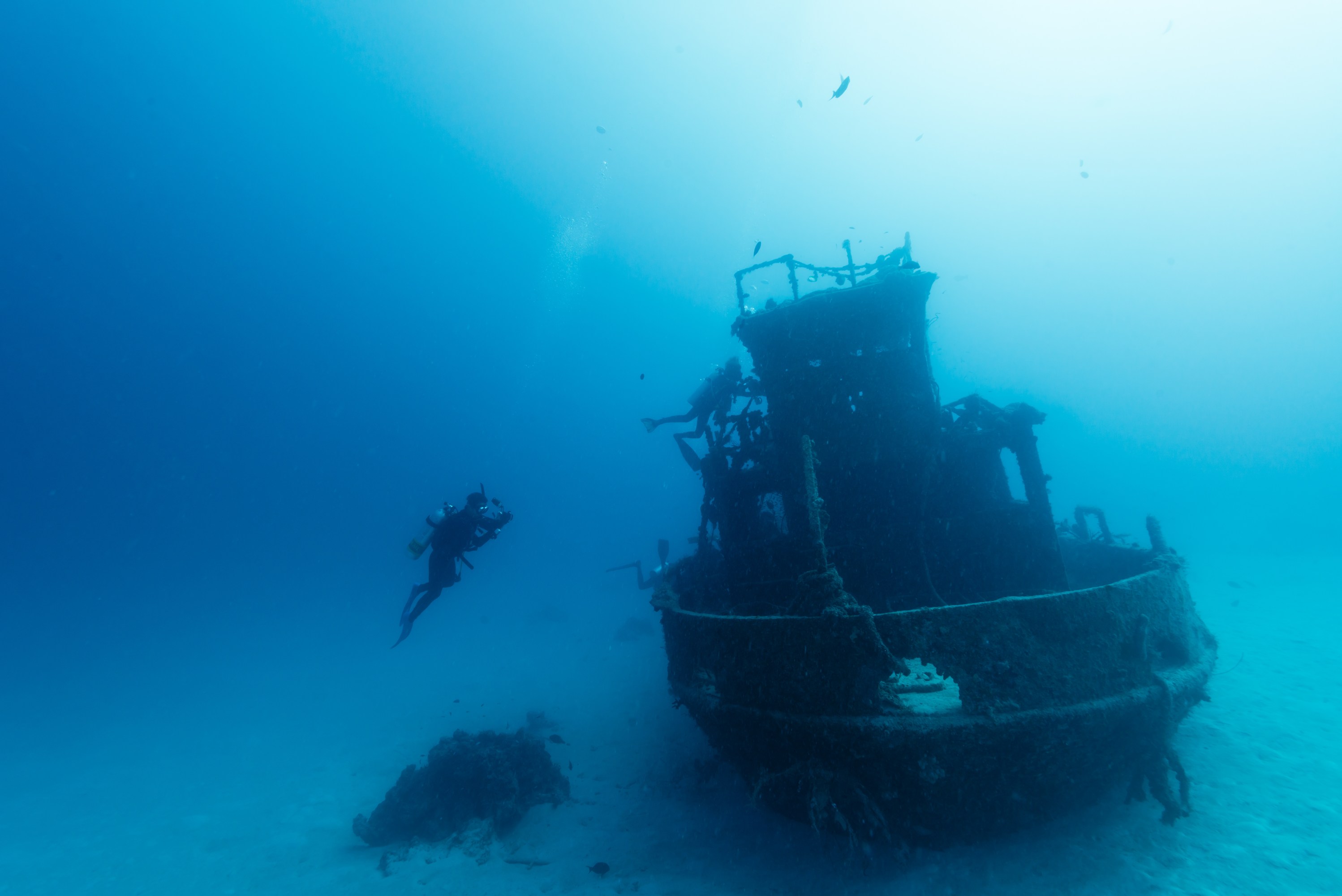

Tips on what to Do If Your Boat Starts Taking on Water
What to Do If Your Boat Starts Taking on Water: Tips from Licensed Captains
Boating is a thrilling adventure, but unexpected challenges, like your boat taking on water, can turn a dream day into a nightmare if you’re not prepared. Knowing the best steps to take can make all the difference, and having the guidance of licensed captains, like the experienced team at Cruise Cocoa, can be a game-changer.
Here’s a step-by-step guide to handling a boat that’s taking on water:
1. Stay Calm and Assess the Situation
When you notice your boat taking on water, the first rule is not to panic. A clear head is your most valuable tool in managing the situation. Determine where the water is coming from—is it a leak, a loose fitting, or a damaged hull? Knowing the source helps you act quickly and efficiently.
2. Activate Your Bilge Pump
Most boats are equipped with a bilge pump to remove water from the hull. If your pump is operational, turn it on immediately. For vessels with automatic bilge pumps, double-check that they’re working properly and aren’t overwhelmed by the incoming water.
3. Use Manual Methods if Necessary
If your bilge pump isn’t keeping up or fails altogether, grab a bucket or a hand pump to start removing water manually. It’s not ideal, but every bit of water you can remove buys you valuable time.

4. Identify and Plug the Leak
If you’ve pinpointed the source of the leak, use any materials on hand to stop or slow the flow of water. Emergency repair kits often include wooden plugs, epoxy, or waterproof tape. In a pinch, even a piece of cloth or a life jacket can help seal a hole temporarily.
5. Call for Help
Don’t hesitate to use your VHF radio to call for assistance. Communicate clearly with emergency services or nearby vessels, letting them know your location, the extent of the problem, and the number of people onboard. Licensed captains, like those at Cruise Cocoa, are trained to handle emergencies and can assist in keeping everyone safe.
6. Head to Shore or Shallow Water
If the situation is manageable and your boat is still operational, steer toward the nearest shore or shallow water. This minimizes the risk of sinking and makes it easier to disembark safely if necessary.
7. Learn from Licensed Captains
Having a licensed captain onboard is one of the best ways to prevent and handle emergencies like this. At Cruise Cocoa, our captains are highly trained to navigate challenges on the water. They understand safety protocols, know how to operate emergency equipment, and can offer peace of mind during any tour or outing.
Preventative Tips to Avoid Taking on Water
- Regular Maintenance: Inspect your boat for damage, especially the hull, through-hull fittings, and bilge pump system.
- Emergency Kits: Keep an onboard emergency kit with plugs, epoxy, and a manual pump.
- Practice Safety Drills: Knowing what to do in advance can make all the difference in a real emergency.
- Hire Licensed Captains: Whether you’re enjoying a private boat outing or a dolphin-watching tour with Cruise Cocoa, licensed captains bring invaluable experience and safety expertise to the table.
Why Cruise Cocoa Is Your Trusted Boating Expert
At Cruise Cocoa, we don’t just provide unforgettable boating experiences—we prioritize your safety. Whether you’re exploring the Indian River Lagoon, spotting dolphins, or enjoying a sunset cruise, our licensed captains ensure a safe and enjoyable time for all.
Enjoy Peace of Mind on the Water
Boating can be one of the most rewarding ways to enjoy Florida’s waterways, but preparation is key. By knowing how to handle emergencies and choosing licensed captains like those at Cruise Cocoa, you’re setting yourself up for a worry-free adventure.
For your next water-bound experience, trust the experts who prioritize safety, fun, and unforgettable memories.