
Turtle Nesting Season in Cocoa Beach: What You Need to Know
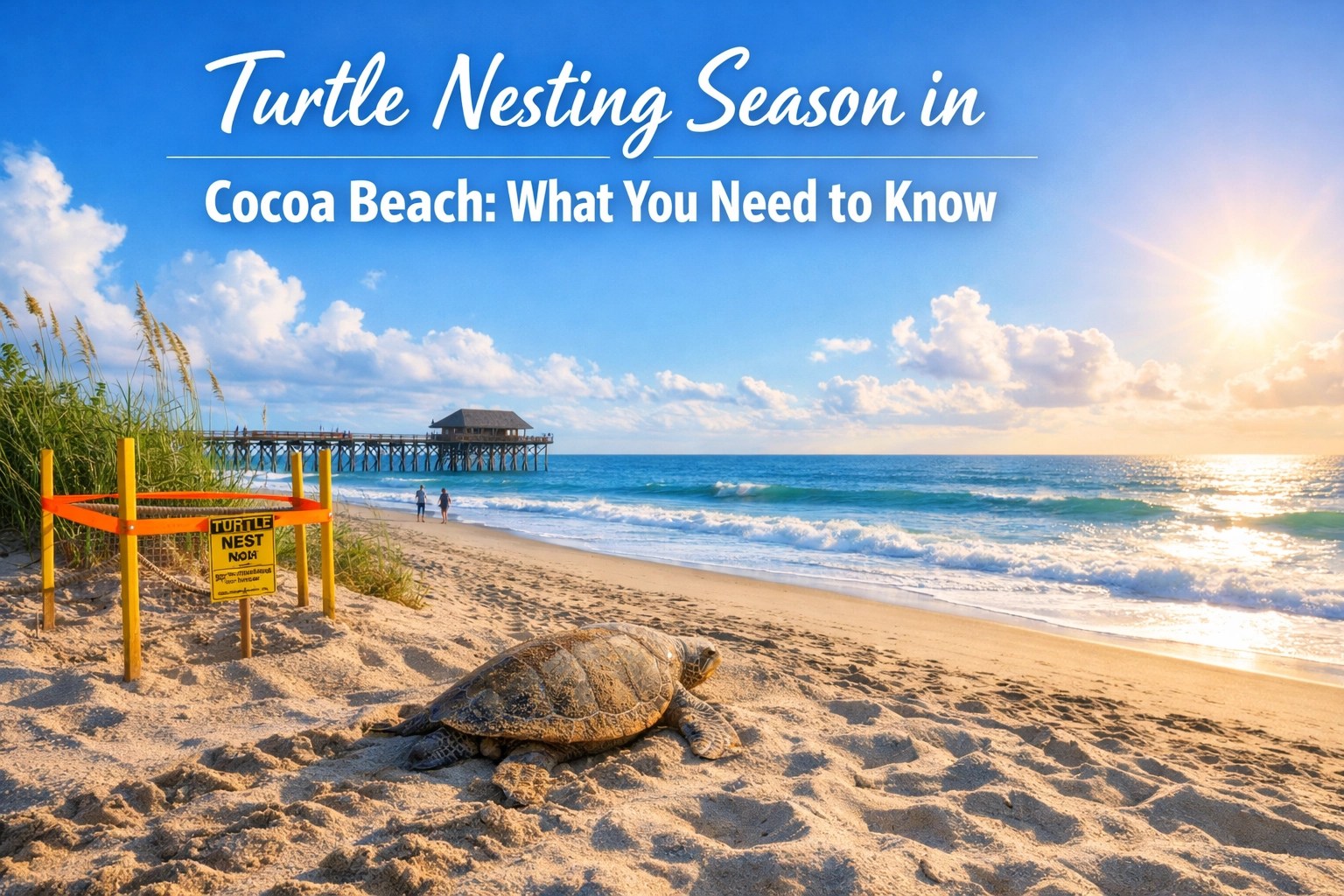
Every year, as the temperatures climb and the ocean breeze turns warm, something truly prehistoric happens on the shores of Cocoa Beach. From March through October, the Space Coast transforms from a premier surfing destination into one of the most significant sea turtle nurseries on the planet. If you are planning a visit or if you’re a local looking to witness this natural wonder, understanding the rhythm of the nesting season is essential.
At Cruise Cocoa, we believe that seeing these creatures in their natural habitat is one of the most moving experiences you can have in Florida. However, with that privilege comes a great deal of responsibility. To ensure these ancient mariners continue to return to our sands, we have put together a comprehensive guide on what to expect, how to help, and where to find the best wildlife spots during nesting season.
The Nesting Timeline: Who Arrives When?
Sea turtle nesting isn't just a one-month event; it is a rolling schedule of different species arriving at different times. Florida is unique because it is the only state where three distinct species, Leatherbacks, Loggerheads, and Green turtles, regularly nest in large numbers.
- Leatherback Sea Turtles (March – July): These are the giants of the sea turtle world, sometimes reaching up to 2,000 pounds. They are the first to arrive, with nesting beginning as early as March. If you are out on one of our boat tours cocoa beach florida in early spring, keep a sharp eye out for their massive, leathery shells breaking the surface.
- Loggerhead Sea Turtles (April – September): The Loggerheads are the stars of the Space Coast. In fact, Brevard County hosts part of the largest Loggerhead nesting aggregation in the entire world. In a record-breaking recent season, Brevard County saw 52,000+ sea turtle nests. That’s exactly why it matters how you act on the beach—because even with huge numbers, the odds are still tough: only about 1 in 1,000 hatchlings survives to adulthood. These turtles are most active from mid-April through the heat of the summer.
- Green Sea Turtles (May/June – September): These turtles are the late bloomers of the group. They typically start nesting in late May or June. While they nest across the state, the highest concentration of Green turtle nests is found right here on the Florida east coast.
Knowing this timeline helps you plan your visit. If you want the best chance to see activity, June and July are the "peak" months when all three species are likely to be present.
Essential "Lights Out" Rules: Protecting the Hatchlings
One of the most critical things you need to know about sea turtle season is the "Lights Out" policy. Sea turtles are highly sensitive to light. Traditionally, nesting mothers and emerging hatchlings use the natural light of the moon and stars reflecting off the ocean to find their way.
Artificial lights, whether from a beachfront hotel, a flashlight, or even your smartphone, can disorient them. When a mother turtle is disoriented, she may return to the sea without laying her eggs (known as a "false crawl"). When hatchlings are disoriented, they crawl toward the artificial light source (like a streetlamp) instead of the ocean, leading to exhaustion, dehydration, or predation.
Follow these strict guidelines from March 1st to October 31st:
- Turn off beachfront lights: If you are staying in a vacation rental or hotel on the beach, close your curtains after dark and turn off any outdoor balcony lights.
- No flash photography: Never use a flash to take pictures of a turtle at night. It completely blinds them and disrupts their nesting process.
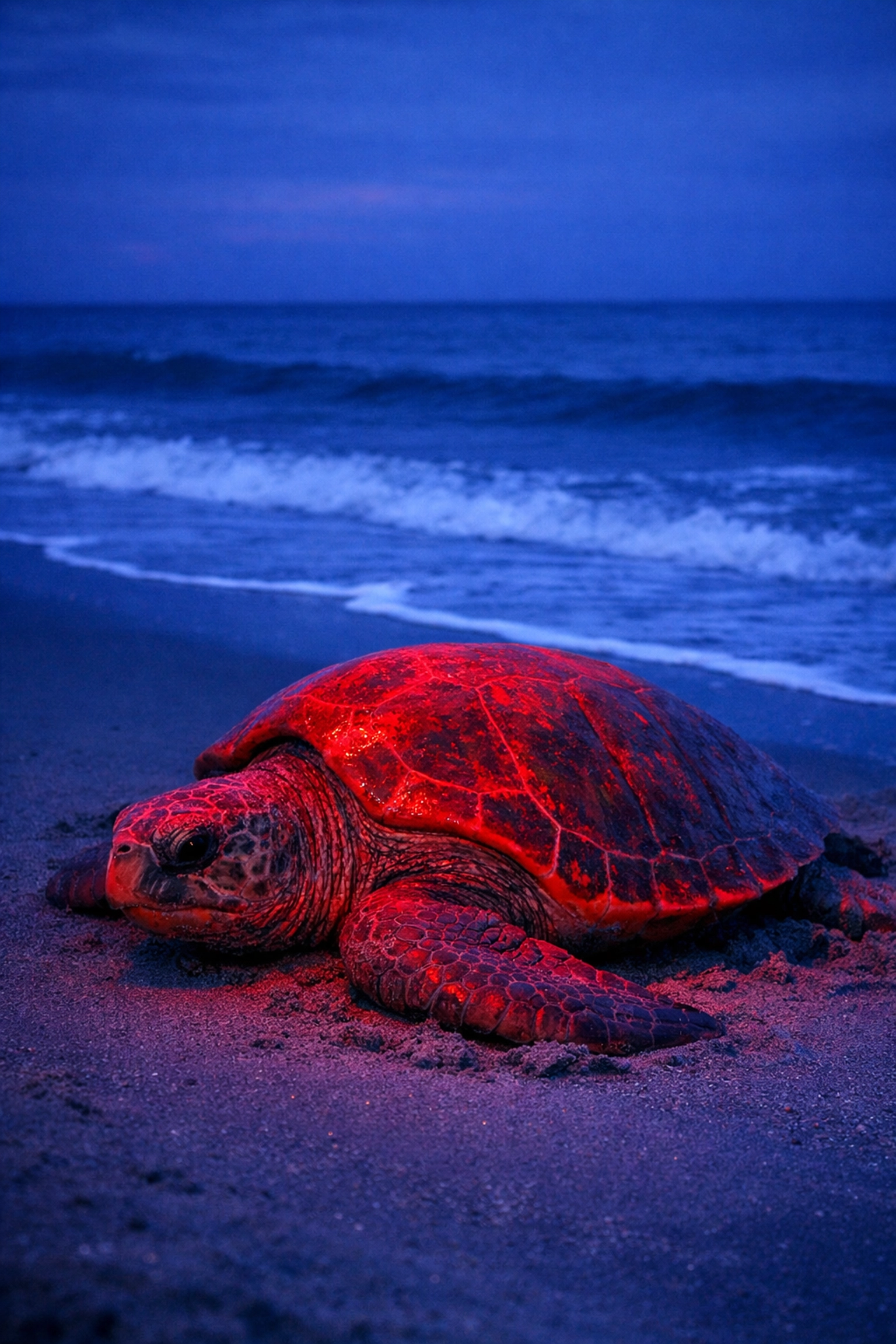
- Use red-light flashlights: If you must use a light on the beach at night, ensure it has a red film or filter. Sea turtles cannot see the red spectrum of light as easily as white or yellow light.
- Keep your distance: If you encounter a nesting female, stay at least 50 feet away and remain quiet.
Witnessing the Nesting: Guided Turtle Walks
While it might be tempting to head out to the dunes on your own to find a turtle, we highly recommend booking a guided turtle walk. Organizations like the Sea Turtle Preservation Society offer educational walks led by permitted guides.
These guides know exactly how to spot a turtle without causing stress. They understand the behavior of the animal and can tell when it is safe to approach for a view. Plus, they provide incredible insights into the biology of these animals that you won't get by just looking. Seeing a Loggerhead methodically dig her nest and lay nearly 100 eggs is a sight you will never forget.
Spotting Sea Turtles from a Boat
While the beach is where the eggs are laid, the water is where these turtles live. During nesting season, the waters just off the coast and inside the Indian River Lagoon are teeming with activity.
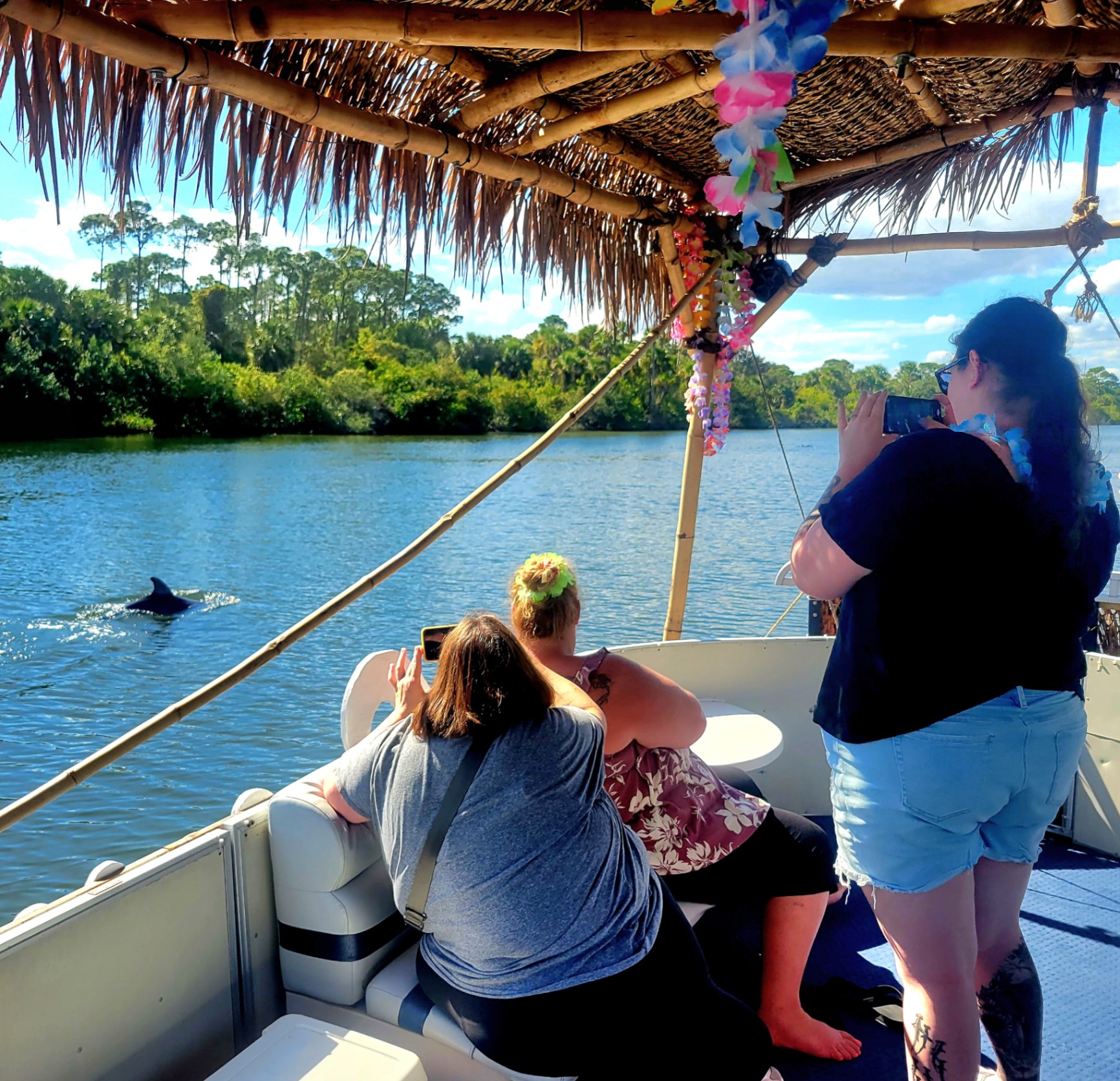
When you join us for one of our boat tours cocoa beach florida, we often spot sea turtles coming up for air or lounging near the surface. However, boating around sea turtles requires a specific set of ethics to keep them safe.
Respectful Distance and Observation
When we spot a sea turtle from our vessels, like the Lei’d Back or This Island, we maintain a respectful distance. Here is how you can help spot them and what to do:
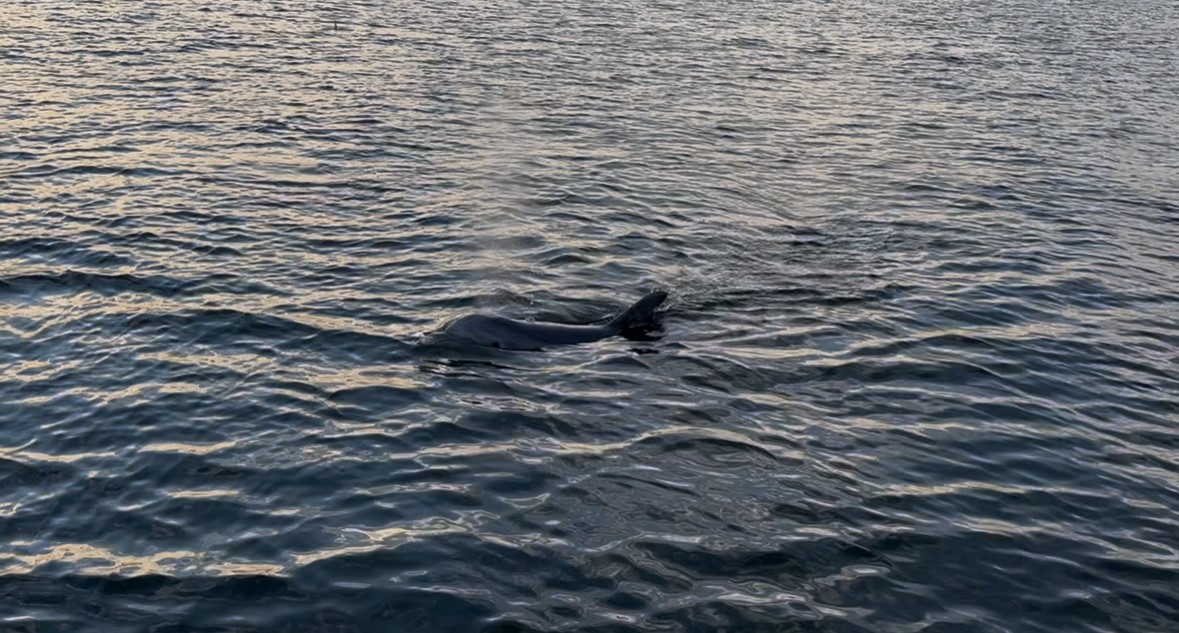
- Look for the "Breath": A sea turtle will often surface for just a few seconds to take a breath. Look for a small, dark bump (the head) breaking the water, followed by a quick exhale of mist.
- Check the "Wildlife Spots": Areas with seagrass or near the edges of the lagoon are prime feeding grounds for Green turtles.
- Don't crowd the animal: If you are operating your own vessel, never steer directly toward a turtle. If one surfaces near you, shift your engine into neutral and wait for the turtle to move away safely.
- Wear polarized sunglasses: These are a game-changer for spotting turtles under the surface by cutting through the water's glare.
Cruise Cocoa’s Commitment to Wildlife Education
At Cruise Cocoa, we aren't just a tour company; we are ambassadors for the local ecosystem. Our captains and crew are trained to understand the seasonal movements of our local wildlife. We make it a point to educate every guest who steps onto our boats about the importance of sea turtle conservation.
We believe that by showing you the beauty of the Indian River Lagoon and the Atlantic coast, you will be inspired to protect it. Our tours are designed to be low-impact and high-education. Whether we are discussing the staggering stats of the Loggerhead population or showing you the manatees that share these waters, our goal is to foster a deep respect for nature. You can learn more about our team and our mission on our About Us page.
Leave No Trace: Beach Etiquette
Beyond the lights, there are several physical ways you can help ensure a successful nesting season. The beach is an obstacle course for a turtle that can weigh several hundred pounds.
- Fill in holes: If you or your kids dig holes in the sand during the day, please fill them in before you leave. These holes can become death traps for nesting mothers and hatchlings.
- Flatten sandcastles: While they look great, large sand structures can block a turtle's path. Knock them down at the end of your beach day.
- Remove all gear: Don't leave chairs, umbrellas, or tents on the beach overnight. Turtles can get tangled in them, leading to serious injury.
- Pick up trash: Plastic bags look remarkably like jellyfish: a favorite snack for Leatherbacks. Ensure all your trash makes it into a bin.
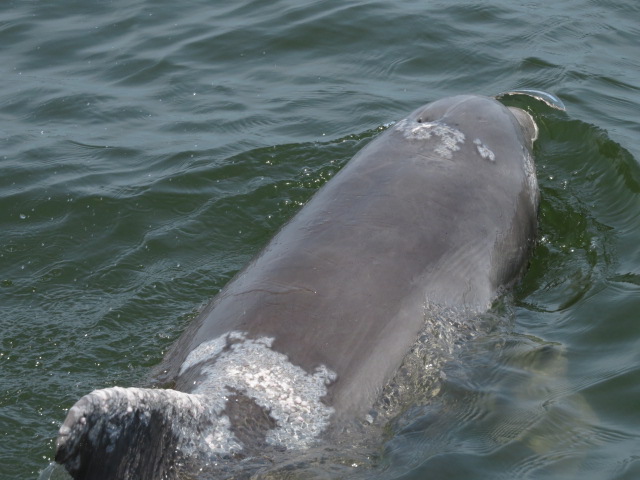
The Circle of Life: Hatchling Emergence
About 50 to 60 days after the eggs are laid, the real magic happens. Usually under the cover of darkness, the sand will begin to "boil" as dozens of tiny, two-inch hatchlings emerge from the nest all at once. This "safety in numbers" approach helps them survive the dash to the ocean.
If you happen to be on the beach when this happens, remember the rules: no lights and no touching. It is tempting to want to pick them up and carry them to the water, but that crawl across the sand is vital. It "imprints" the beach's unique magnetic signature on them, allowing the females to find their way back to this exact same beach 20 to 30 years later to lay their own eggs.
Ready to Explore the Space Coast?
Sea turtle nesting season is a reminder of how lucky we are to live and work in such a vibrant ecosystem. From the first Leatherbacks in March to the final Green turtle hatchlings in October, there is always something incredible happening on our shores.
If you want to see the best wildlife spots and learn more about the animals that call Cocoa Beach home, we invite you to book a trip with us. Our boat tours cocoa beach florida offer a front-row seat to the wonders of the Indian River Lagoon and the surrounding coastal waters.
Be sure to book your tour in advance, especially during the busy summer months. We can’t wait to show you the magic of our home!
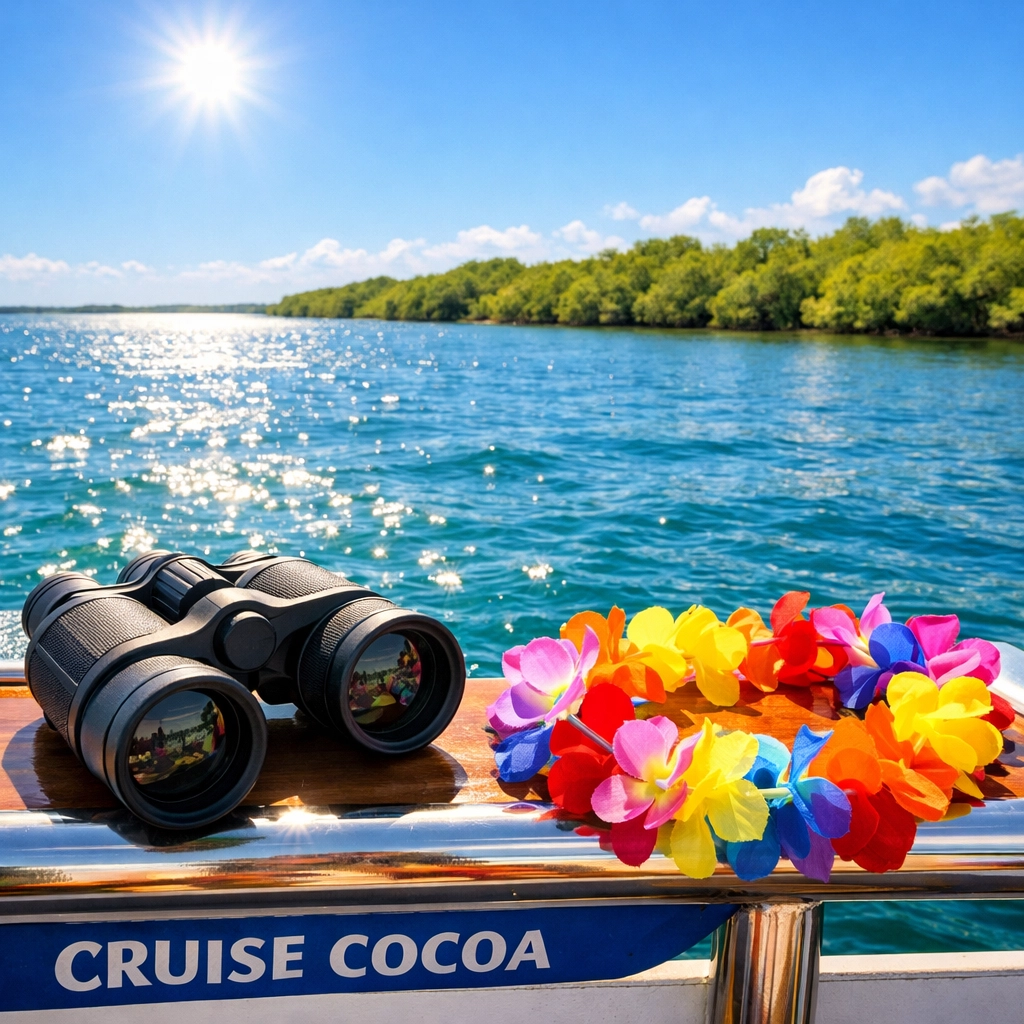
Pro-Tip: Bring your binoculars! While we get as close as safely possible, binoculars allow you to see the intricate patterns on a turtle's shell without disturbing their peace. Arrive early for your tour to grab a good seat and get ready for an adventure. Let's make this nesting season the safest and most successful one yet!