
Palm Trees Guide
Palm Spotting on the Space Coast: A Fun Exploration of Florida’s Iconic Trees
When you think of Florida’s Space Coast, you might picture rockets soaring into the sky or sunbathers lounging on golden sands, but don’t overlook the lush tapestry painted by its iconic palm trees. These graceful giants aren’t just picturesque backdrops; they’re a vital part of the local ecology and culture, offering shade and shelter to both humans and wildlife. Whether you’re a resident enjoying a casual stroll through Merritt Island or a tourist captivated by the tropical allure of Cocoa Beach, you’ll find a delightful variety of palms that each tell their own story. From the hardy Cabbage palm, Florida’s resilient state tree, to the exotic Bismarck palm with its striking silvery fronds, there’s a rich diversity to explore. Join us as we take a friendly, informative journey through the fascinating world of Space Coast palm trees, and see how these natural wonders contribute to the area’s charm and beauty. For a deeper dive into the world of palm trees, check out this comprehensive guide to palm tree types.
Iconic Florida Palms
Florida’s landscape is dotted with palm trees that have become synonymous with the state’s tropical allure. Let’s explore two of the most iconic palms that define the Sunshine State’s natural beauty.
Cabbage Palm: State Symbol
The Cabbage Palm, scientifically known as Sabal palmetto, is Florida’s official state tree. This hardy native species is a true symbol of resilience and adaptability.
With its thick, sturdy trunk and fan-shaped fronds, the Cabbage Palm can withstand harsh coastal conditions and even hurricanes. It’s a common sight along Florida’s beaches and inland areas, providing shade and habitat for various wildlife species.
The Cabbage Palm gets its name from its edible terminal bud, which tastes similar to cabbage. However, harvesting this “heart” kills the tree, so it’s rarely done today. Instead, these palms are cherished for their natural beauty and ecological importance.
For more information on the Cabbage Palm and other Florida natives, check out this comprehensive guide to palm tree types.
Coconut Palm: Paradise Found
The Coconut Palm (Cocos nucifera) is perhaps the most recognizable palm species worldwide. Although not native to Florida, it has become an integral part of the state’s coastal landscape.
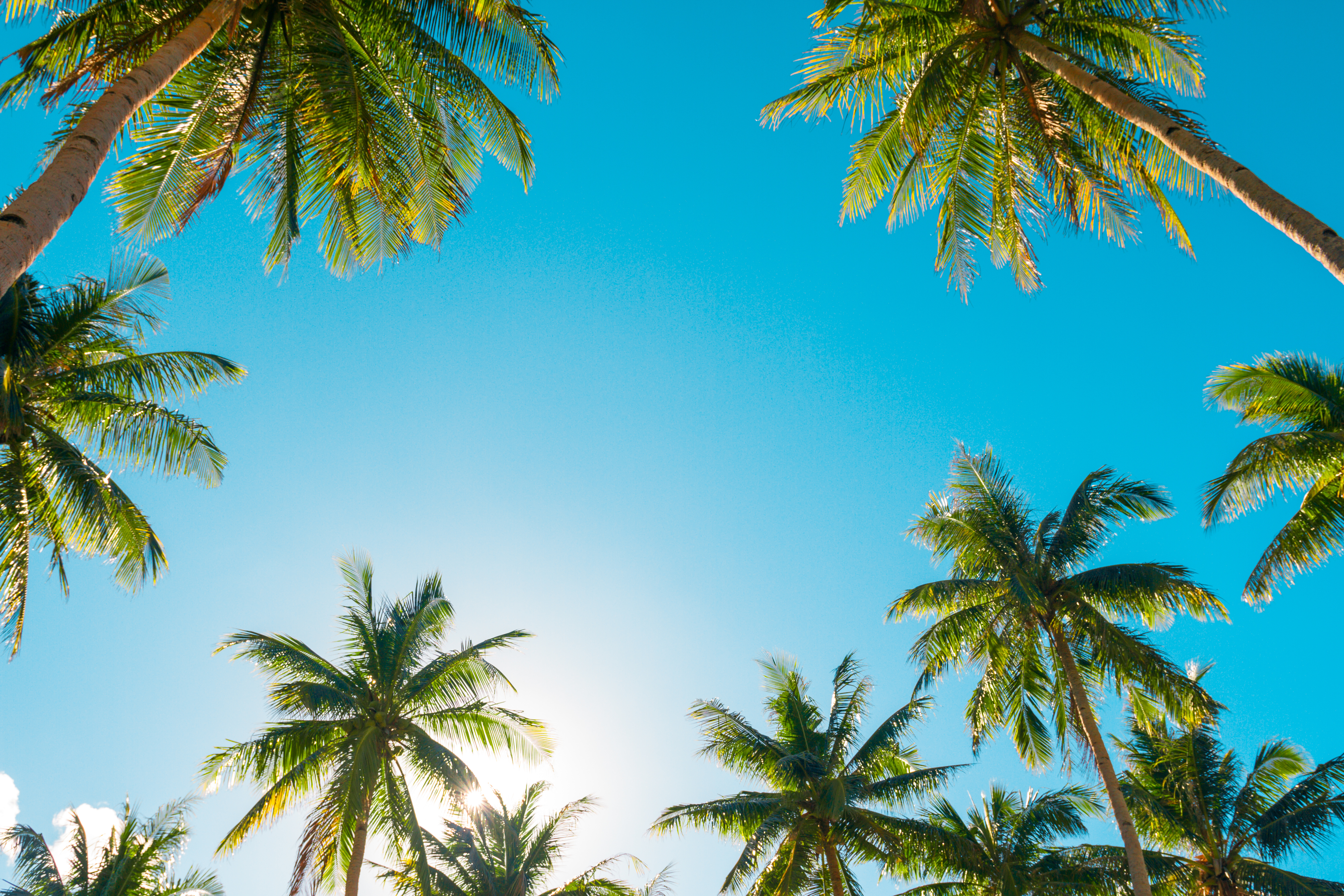
These palms are easily identified by their tall, slender trunks and long, feather-like fronds. The iconic coconut fruit hanging from the crown adds to their tropical appeal. Coconut Palms thrive in Florida’s warm, humid climate, especially in the southern parts of the state.
While they’re less common on the Space Coast due to cooler winter temperatures, you can still find them gracing many beaches and resorts. Their presence instantly evokes a sense of tropical paradise, making them a favorite among tourists and locals alike.
To learn more about incorporating Coconut Palms into tropical gardens, visit this article on tropical garden palm trees.
Unique Palms of the Space Coast
The Space Coast boasts a diverse array of palm species, including some that are less common but no less stunning. These unique palms add character and visual interest to the local landscape.
Washingtonia Palm: Towering Beauty
The Washingtonia Palm, also known as the Mexican Fan Palm, is a striking addition to the Space Coast’s palm diversity. These palms are notable for their impressive height and distinctive appearance.
Washingtonia Palms can grow up to 100 feet tall, making them one of the tallest palm species in the area. Their slender trunks are often adorned with a “skirt” of dead fronds, creating a unique silhouette against the sky.
The large, fan-shaped leaves of the Washingtonia Palm provide excellent shade and add a dramatic flair to any landscape. They’re particularly popular in urban settings, lining streets and adorning public spaces with their majestic presence.
For those interested in adding a Washingtonia Palm to their landscape, Plantology USA offers a selection of palm trees for purchase.
Bismarck Palm: Silvery Showstopper
The Bismarck Palm (Bismarckia nobilis) is a true showstopper in the world of palms. Native to Madagascar, this palm has found a welcoming home on the Space Coast, where it adds a touch of exotic beauty to the landscape.
What sets the Bismarck Palm apart is its striking silvery-blue fronds. These massive, fan-shaped leaves can reach up to 10 feet across, creating a spectacular visual display. The palm’s thick, sturdy trunk adds to its imposing presence.
Bismarck Palms are often used as focal points in landscaping due to their unique color and impressive size. They’re particularly striking when planted in groups or paired with other palm species for contrast.
To explore the visual impact of colorful palms like the Bismarck, check out this guide on colorful palm trees.
Landscaping with Local Flair
Incorporating native and well-adapted palm species into your landscape can create a distinctly Floridian look while also supporting local ecosystems. Here are two popular choices for Space Coast landscaping.
Areca Palm: Privacy Perfected
The Areca Palm (Dypsis lutescens) is a versatile and popular choice for Space Coast landscapes. Known for its lush, feathery fronds and clumping growth habit, it’s an excellent option for creating natural privacy screens.
Areca Palms grow in clusters of slender trunks, each crowned with arching fronds that create a dense, green canopy. This growth pattern makes them ideal for use as hedges or barriers along property lines or around outdoor living spaces.
These palms thrive in the Space Coast’s warm, humid climate and are relatively low-maintenance once established. Their bright green color adds a fresh, tropical feel to any landscape, making them a favorite among homeowners and landscapers alike.
For tips on incorporating Areca Palms into your landscape design, refer to this article on tropical garden palm trees.
Queen Palm: Elegant Choice
The Queen Palm (Syagrus romanzoffiana) is a graceful and elegant palm that has become increasingly popular in Space Coast landscapes. Its tall, slender trunk and long, feathery fronds create a classic tropical silhouette.
Queen Palms are known for their rapid growth and ability to withstand a range of soil conditions. They can reach heights of up to 50 feet, making them an excellent choice for adding vertical interest to landscapes.
The palm’s long, arching fronds create a canopy that provides dappled shade, perfect for creating comfortable outdoor spaces. Additionally, the Queen Palm produces small, orange fruits that attract birds, adding wildlife interest to your yard.
To learn more about the Queen Palm and other Florida-friendly palm species, visit this comprehensive guide to palm tree types.