
Hatchling Awareness
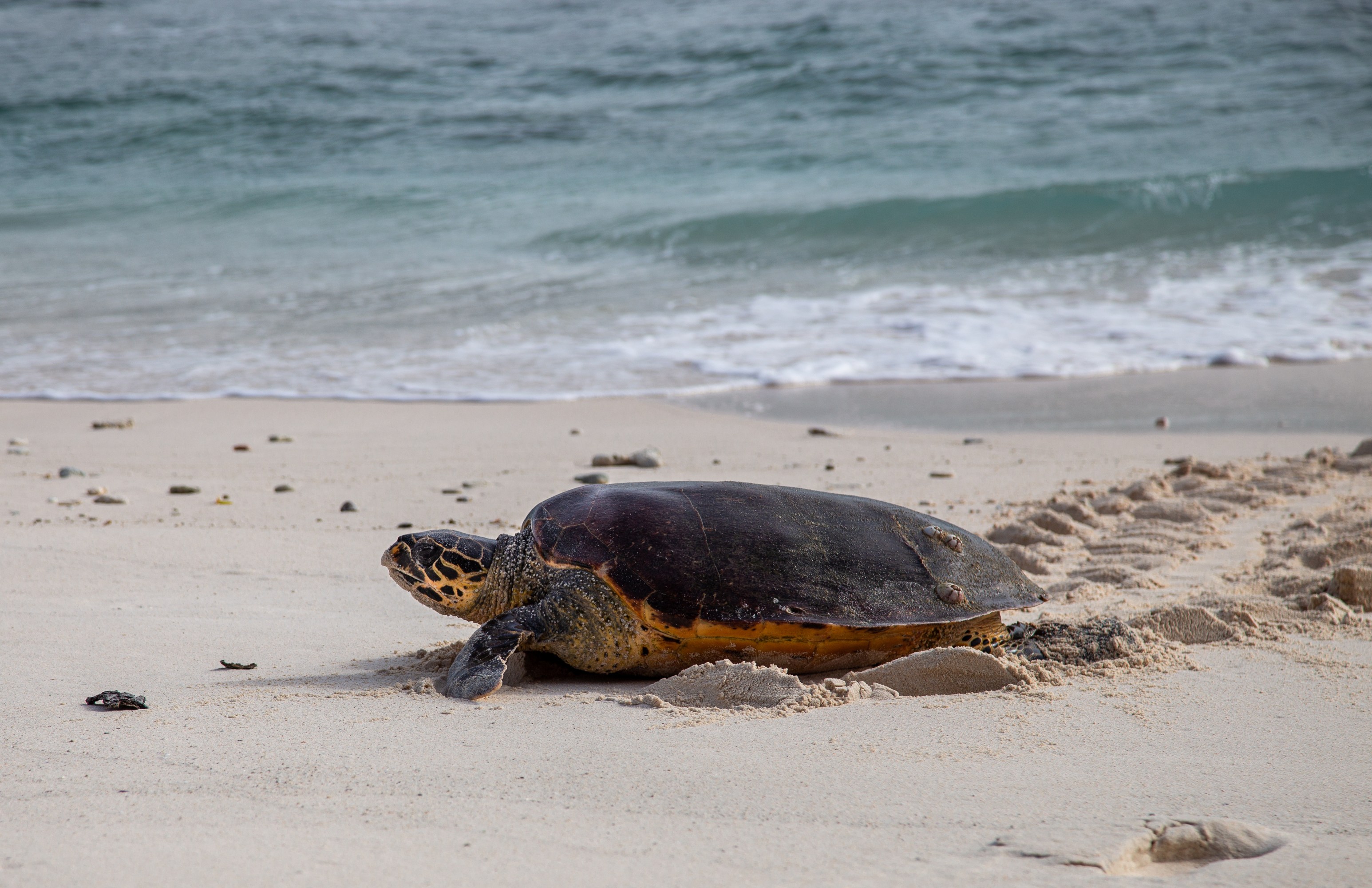
Protecting Sea Turtle Hatchlings: Essential Tips for Beachgoers on the Florida Space Coast
Every year, the sandy shores of Florida’s Space Coast become the stage for one of nature’s most remarkable events as sea turtle hatchlings make their way to the ocean. From May through October, beaches like Cocoa Beach and Melbourne become nesting grounds, and by late summer, visitors can witness the awe-inspiring sight of baby turtles beginning their life journey. This magical time offers a unique opportunity for locals and tourists to engage in wildlife conservation and contribute to the protection of these endangered creatures. By learning how to spot and safeguard these little travelers, you can play a vital role in ensuring their survival and the health of our marine ecosystems. Join us as we explore essential tips for beachgoers to protect sea turtle hatchlings and support conservation efforts along the beautiful Florida Space Coast.## Spotting Hatchlings on the Space Coast
The Florida Space
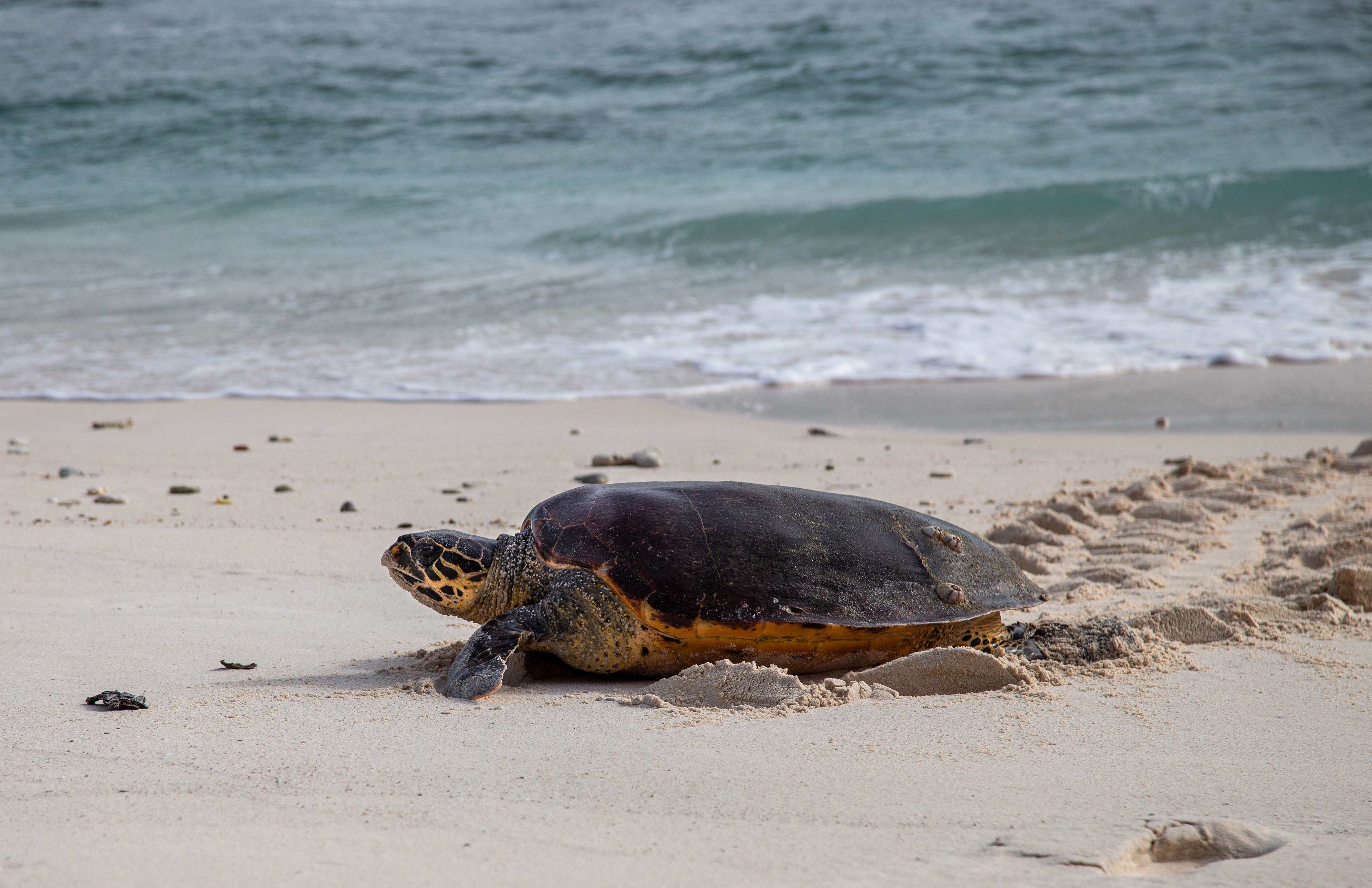
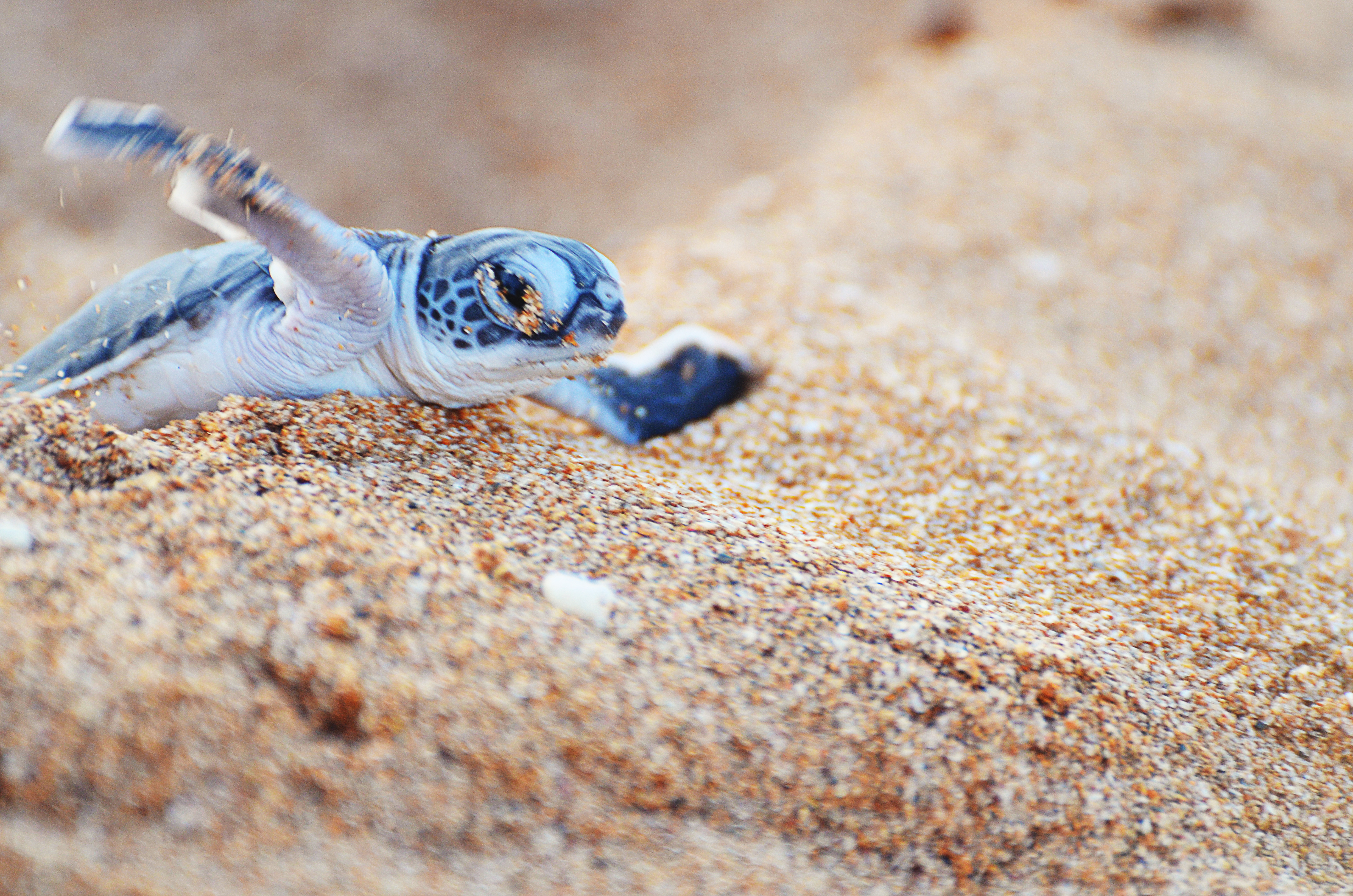
Coast offers a unique opportunity to witness sea turtle hatchlings making their way to the ocean. Understanding when and where to look, as well as how to conduct responsible nighttime beach walks, can enhance your chances of experiencing this natural wonder while protecting these vulnerable creatures.
When and Where to Look
Sea turtle nesting season on the Space Coast typically runs from May through October, with hatchlings emerging from July to early October. Peak activity occurs in August and September, making these months ideal for spotting the tiny turtles.
Popular nesting beaches include Cocoa Beach, Canaveral National Seashore, Melbourne Beach, and Satellite Beach. These areas are known for their pristine shores and conservation efforts, providing excellent habitats for sea turtles.
To increase your chances of seeing hatchlings, plan your beach visits during the evening hours. Sea turtle hatchlings usually emerge from their nests after sunset, using the natural light of the moon reflecting on the ocean as a guide.
Nighttime Beach Walk Tips
When embarking on a nighttime beach walk to spot sea turtle hatchlings, it’s crucial to follow responsible practices that protect both the turtles and their habitat. First and foremost, use only red flashlights or cover your regular flashlight with red cellophane, as this color is less disruptive to turtles.
Walk quietly and stay alert, keeping an eye out for small movements in the sand or tiny tracks leading from marked nests to the water’s edge. Remain at a respectful distance from any hatchlings or nests you encounter.
Remember to leave no trace during your beach walk. Take all belongings with you and avoid disturbing the natural environment. By following these guidelines, you can enjoy this magical experience while supporting conservation efforts.
Essential Guidelines for Beachgoers
Protecting sea turtle hatchlings is a responsibility shared by all beachgoers. By following simple yet effective guidelines, we can help ensure the survival of these endangered species and maintain the delicate balance of our coastal ecosystems.
Do’s of Protecting Hatchlings
When visiting beaches during sea turtle nesting season, there are several positive actions you can take to protect hatchlings:
-
Keep beaches dark by turning off exterior lights and closing curtains if staying in beachfront accommodations. This helps prevent hatchlings from becoming disoriented.
-
Fill in holes and flatten sandcastles before leaving the beach. These can become obstacles for hatchlings trying to reach the ocean.
-
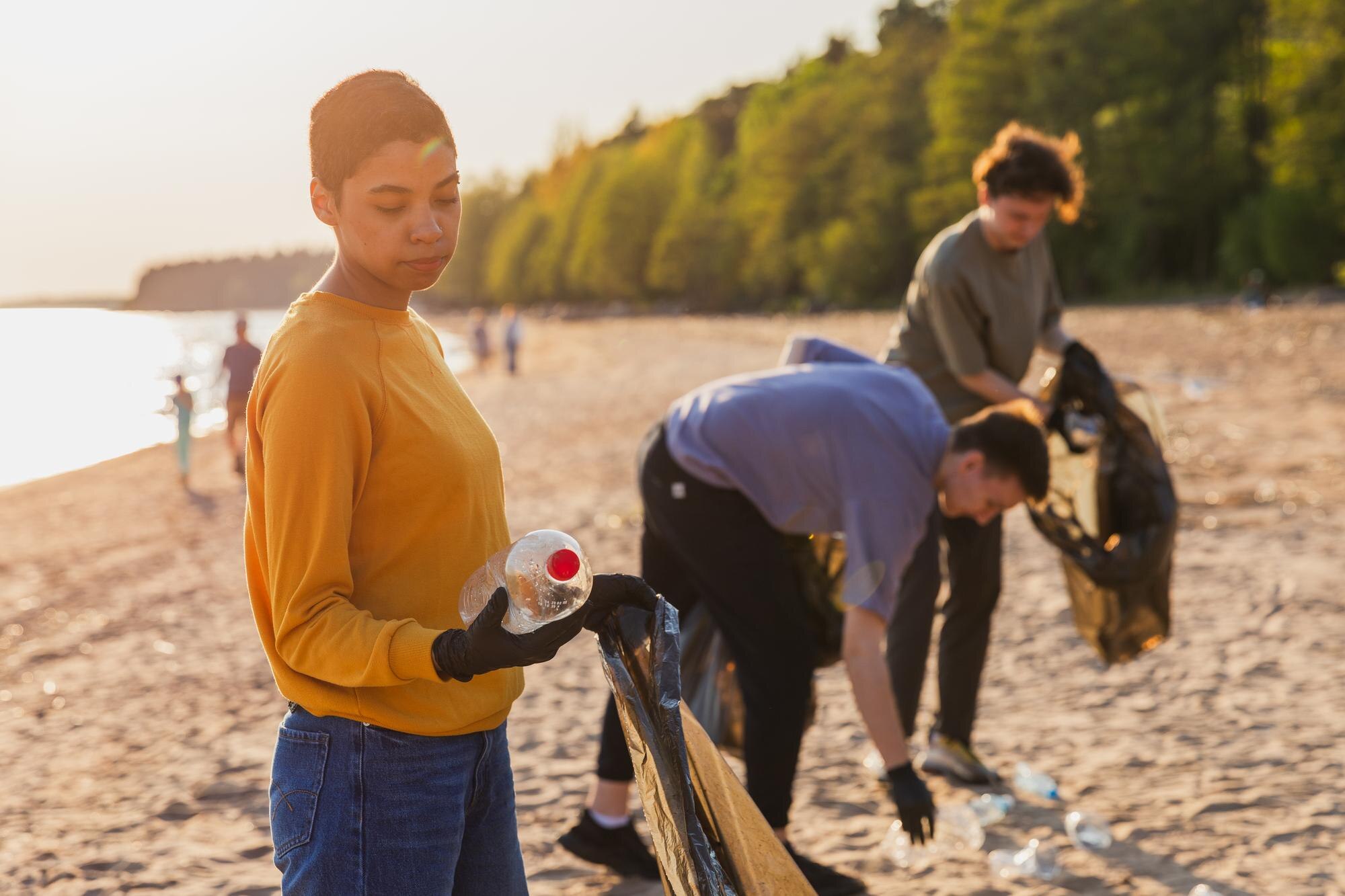
Remove all trash and personal items from the beach. Litter can entangle or trap hatchlings, impeding their journey to the sea.
By taking these simple steps, you play a crucial role in giving sea turtle hatchlings the best chance at survival.
Don’ts During Hatchling Season
To further protect sea turtle hatchlings, it’s important to avoid certain behaviors that can harm or disorient them:
-
Don’t use flash photography or shine bright lights on the beach at night. This can confuse hatchlings and lead them away from the ocean.
-
Avoid touching or handling hatchlings, even if they appear to be struggling. Human interference can cause stress and disrupt their natural instincts.
-
Don’t leave beach furniture or equipment on the sand overnight, as these can become obstacles for nesting turtles and emerging hatchlings.
By refraining from these actions, you help maintain the natural processes that have allowed sea turtles to thrive for millions of years.
Getting Involved in Conservation
Supporting sea turtle conservation efforts on the Space Coast goes beyond just following guidelines during beach visits. There are numerous ways to actively participate in protecting these incredible creatures and their habitats.
Volunteer and Support Opportunities
Getting involved in sea turtle conservation can be a rewarding experience. Many organizations on the Space Coast offer volunteer programs and support opportunities:
-
Join beach cleanup events to help remove debris that can harm turtles and other marine life.
-
Participate in nest monitoring programs, where volunteers help track and protect nesting sites throughout the season.
-
Support local conservation groups through donations or by participating in fundraising events.
These activities not only contribute to turtle conservation but also provide valuable education about marine ecosystems and the importance of protecting endangered species.

Join Local Conservation Efforts
Local conservation efforts play a crucial role in protecting sea turtles on the Space Coast. Organizations like the Sea Turtle Preservation Society offer various ways to get involved:
-
Attend educational workshops to learn more about sea turtles and conservation techniques.
-
Participate in guided turtle walks during nesting season to observe nesting turtles responsibly.
-
Volunteer for hatchling rescue programs, which help disorientated hatchlings find their way to the ocean.
By joining these efforts, you become part of a community dedicated to preserving the Space Coast’s natural heritage and ensuring a future for sea turtles. Your involvement can make a real difference in protecting these magnificent creatures and their habitats for generations to come.