
Sea Turtle Nesting Statistics on Florida’s Space Coast

2024 Sea Turtle Nesting Statistics on Florida’s Space Coast
The 2024 sea turtle nesting season on Florida’s Space Coast has been a success, reflecting the positive impact of conservation efforts and community involvement.
Florida’s Space Coast is a critical nesting ground for sea turtles, drawing attention from conservationists and beachgoers alike.
Each year, thousands of sea turtles come ashore on the sandy beaches from Cape Canaveral to Melbourne Beach, making it one of the most significant nesting areas in the world. The 2024 nesting season has come to a close, and it’s time to review the numbers and understand what they mean for these ancient mariners.
Overview of the 2024 Nesting Season
The 2024 nesting season on the Space Coast has shown positive trends in sea turtle conservation. According to the Sea Turtle Preservation Society (STPS) and local wildlife officials, this year saw an impressive number of nests from three primary species: the Loggerhead, Green, and Leatherback turtles.
Key Statistics from the 2024 Nesting Season:
- Loggerhead Turtles: 15,800 nests
- Green Turtles: 6,200 nests
- Leatherback Turtles: 90 nests
These numbers indicate a slight increase in Loggerhead nests compared to 2023, a stable count for Green turtles, and a small decline in Leatherback nests.
Loggerhead Turtles: A Season of Success
Loggerhead turtles (Caretta caretta) are the most common nesting species on the Space Coast. This year, they accounted for the majority of nests, with a total of 15,800—a 5% increase from the 2023 season. This rise in numbers is a positive sign, reflecting the success of ongoing conservation efforts.
Why the Increase?
Several factors have contributed to the increase in Loggerhead nests this year. Improved beach management practices, such as reducing artificial lighting and controlling beach access during the nesting season, have created a safer environment for nesting turtles. Additionally, increased public awareness and education efforts have helped to reduce human disturbances, allowing more females to successfully lay their eggs.
Green Turtles: Stability Amidst Challenges
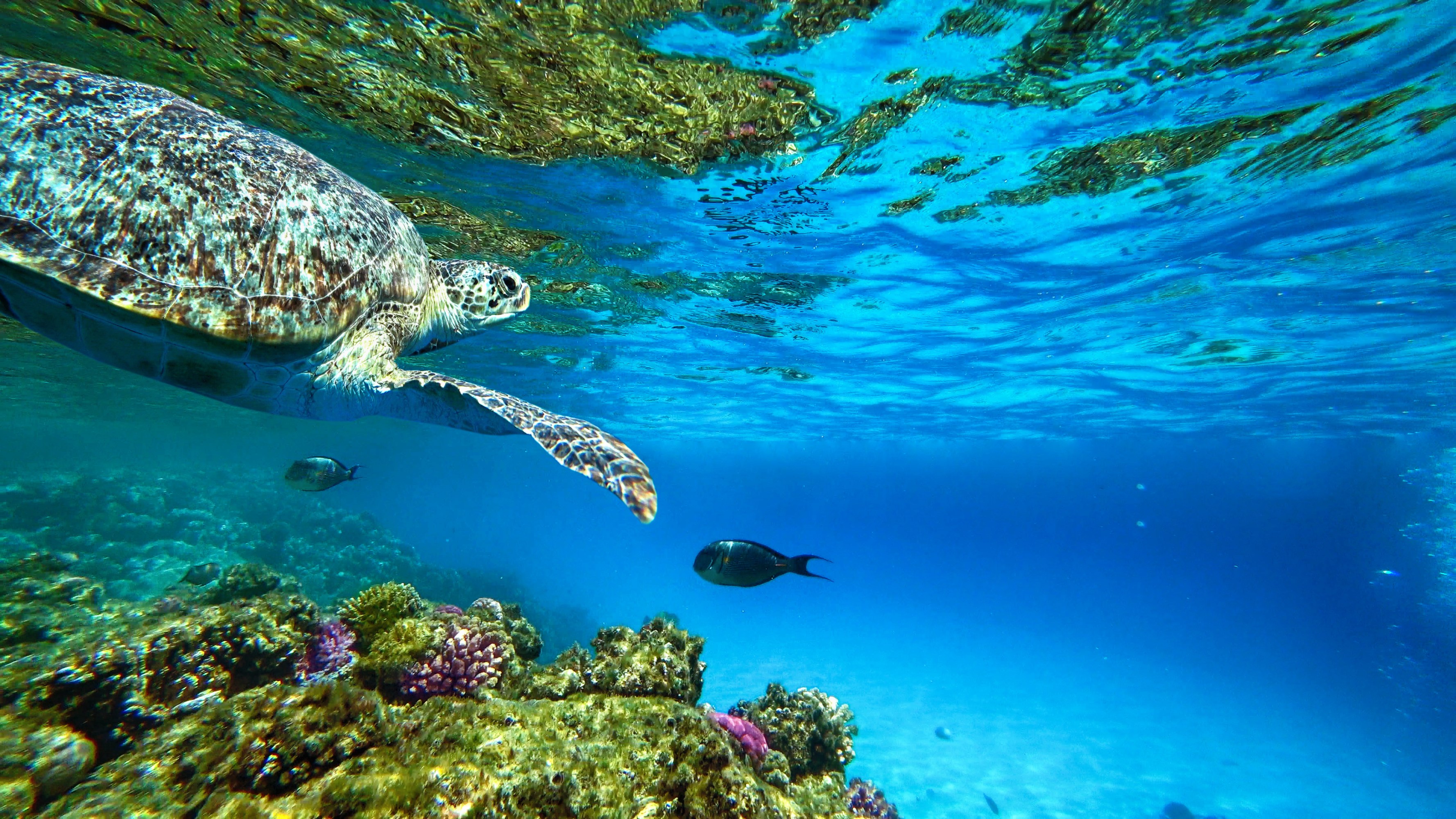
Green turtles (Chelonia mydas) had a stable nesting season, with 6,200 nests recorded on the Space Coast. This number is consistent with the previous year, indicating a steady population trend.
Challenges Faced:
While Green turtle nesting numbers remained stable, the species faces several challenges. Habitat loss, climate change, and marine pollution continue to threaten their populations. However, the stable nesting numbers suggest that conservation measures, such as protected nesting areas and pollution control initiatives, are helping to maintain their numbers.
Conservation Efforts Making a Difference:
Organizations like the Sea Turtle Preservation Society and local wildlife agencies have implemented numerous programs to protect Green turtle nesting sites. These efforts include beach cleanups, monitoring nesting activity, and protecting nests from predators.
Leatherback Turtles: A Slight Decline but Still Hopeful
Leatherback turtles (Dermochelys coriacea) are the largest and one of the most endangered sea turtle species. This year, the Space Coast recorded 90 Leatherback nests, down from 105 nests in 2023. Although this represents a decline, the numbers remain within a typical range for this species, known for its erratic nesting patterns.
Factors Affecting Nesting Numbers:
Leatherbacks face a myriad of threats, including plastic pollution, fishing gear entanglements, and climate change. The decline in nests could be attributed to these factors, but it could also be part of the species’ natural nesting variability.
Looking Forward:
Despite the decline, conservationists remain hopeful. The protection of nesting beaches and the reduction of oceanic plastic pollution are critical to supporting Leatherback populations. Additionally, tagging and tracking programs provide valuable data on their migratory patterns, helping to implement targeted conservation strategies.
Conservation Efforts and Community Involvement
The positive trends seen in the 2024 nesting season are a testament to the effectiveness of ongoing conservation efforts along Florida’s Space Coast. The collaboration between local governments, conservation organizations, and the community has been pivotal in protecting these vital nesting grounds.
Key Conservation Strategies:
- Lighting Ordinances: Reducing artificial light on beaches during nesting season has been crucial. Many coastal towns have implemented strict lighting ordinances to prevent disorienting hatchlings and nesting females.
- Beach Patrols and Monitoring: Volunteers and conservationists conduct regular beach patrols to monitor nesting activity, protect nests, and collect data. These efforts help ensure that nests are not disturbed by human activity or predators.
- Public Education: Education programs aimed at residents and tourists emphasize the importance of protecting nesting sites and following beach guidelines. These initiatives encourage responsible behavior, such as not using flashlights on the beach at night and properly disposing of trash.
- Plastic Pollution Reduction: Efforts to reduce plastic pollution, including beach cleanups and community education programs, help create a safer environment for sea turtles. Reducing plastic waste prevents turtles from ingesting or becoming entangled in debris.
The Role of Climate Change
While the 2024 nesting season shows promising signs, the long-term impacts of climate change on sea turtle populations remain a concern. Rising sea levels, increased storm frequency, and temperature fluctuations can affect nesting success and hatchling survival. Conservationists continue to study these impacts and advocate for climate action to protect sea turtles and their habitats.
What Can You Do to Help?
Whether you live on the Space Coast or are just visiting, there are several ways you can contribute to sea turtle conservation:
- Respect Nesting Sites: Follow all beach guidelines, especially during nesting season. Avoid disturbing marked nests and never use flash photography at night.
- Reduce Plastic Use: Minimize your use of single-use plastics, participate in beach cleanups, and properly dispose of waste to keep beaches and oceans clean.
- Support Conservation Organizations: Consider volunteering or donating to local conservation groups that work tirelessly to protect sea turtles and their habitats.
- Spread Awareness: Share information about sea turtle conservation with friends and family to help raise awareness and encourage responsible behavior.
The 2024 sea turtle nesting season on Florida’s Space Coast has been a success, reflecting the positive impact of conservation efforts and community involvement. As we look forward to future nesting seasons, it’s crucial to continue supporting these efforts and protecting these incredible creatures. Together, we can ensure that the Space Coast remains a safe haven for sea turtles for generations to come.