
Wildlife Wednesday: Discovering the Beautiful Butterflies of Florida
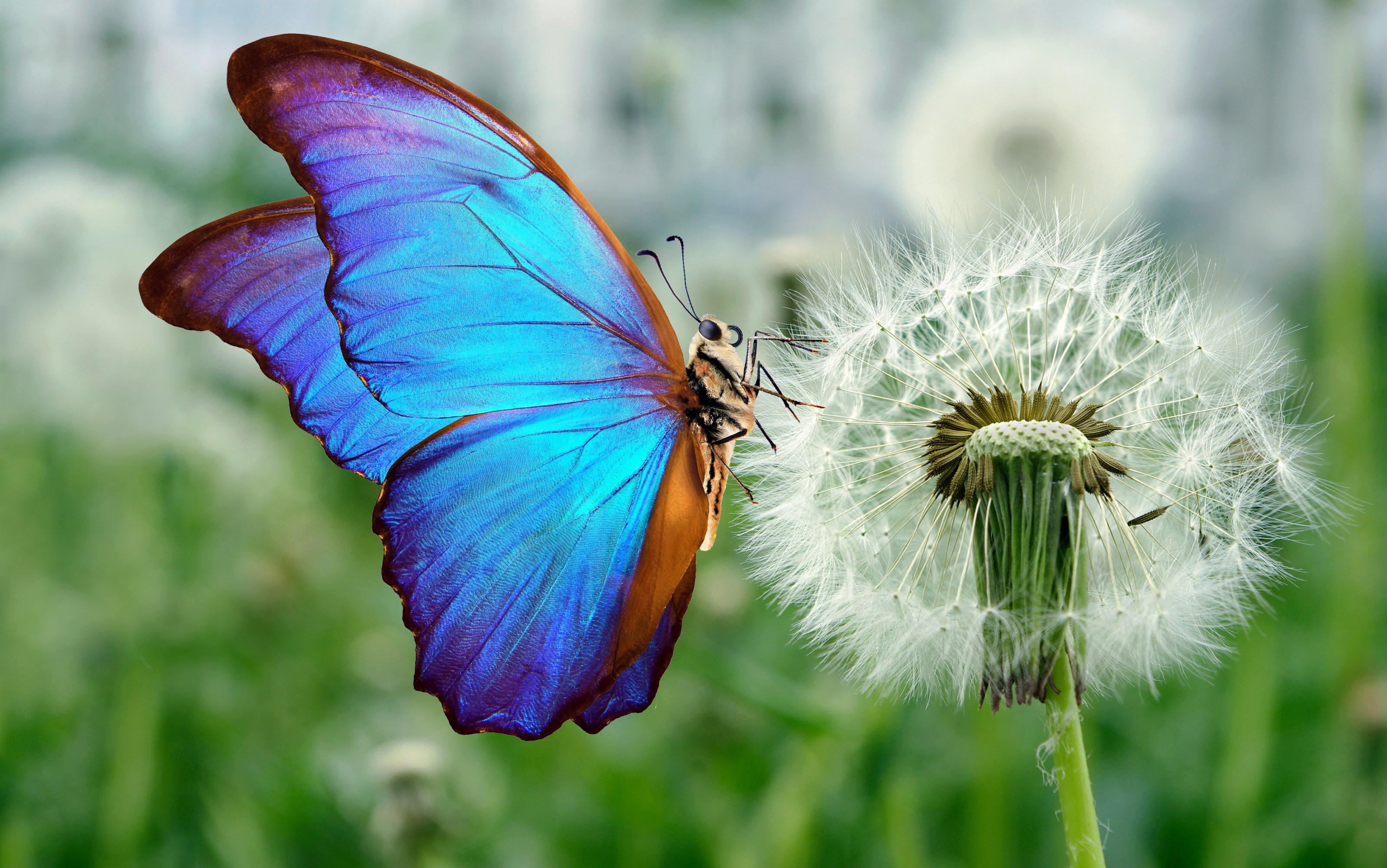

Wildlife Wednesday: Discovering the Beautiful Butterflies of Florida
Welcome to this Wildlife Wednesday edition, where we explore the unique and vibrant wildlife of the Sunshine State.
Welcome to this Wildlife Wednesday edition, where we explore the unique and vibrant wildlife of the Sunshine State. Today, we are focusing on the colorful world of Florida’s butterflies. Known for their incredible diversity and beauty, Florida’s butterflies add a lively charm to gardens, parks, and natural areas across the state. Let’s cover some of the most iconic butterfly species in Florida, their habitats, life cycles, and how you can help support these enchanting insects.
The Butterflies of Florida: An Overview
Florida is home to over 200 species of butterflies, making it one of the best states in the U.S. for butterfly watching. The state’s warm climate and diverse habitats—from coastal dunes to lush forests—provide ideal conditions for a wide variety of butterflies. Some of the most popular butterflies in Florida include the Monarch, Zebra Longwing, Gulf Fritillary, and Atala butterfly. Each species brings its own unique beauty and ecological importance to Florida’s ecosystems.
- Monarch Butterfly (Danaus plexippus): Perhaps the most famous butterfly in the world, the Monarch is known for its incredible migration journey. In Florida, Monarchs can be seen year-round, particularly in the southern regions of the state. They are easily recognized by their bright orange wings with black and white markings.
- Zebra Longwing (Heliconius charithonia): This butterfly is Florida’s state butterfly and is known for its striking black-and-white striped wings. Zebra Longwings are common in the state’s subtropical forests and gardens, where they feed on nectar and pollen, a diet that is unusual among butterflies.
- Gulf Fritillary (Agraulis vanillae): With its bright orange wings adorned with black spots and silver underwings, the Gulf Fritillary is a common sight in Florida gardens, especially those with passionflower vines, which serve as their host plants.
- Atala Butterfly (Eumaeus atala): Once thought to be extinct, the Atala butterfly has made a remarkable comeback in South Florida, particularly in areas where the coontie plant is cultivated. The Atala’s small size, iridescent blue-green wings, and striking red abdomen make it one of Florida’s most colorful butterflies.
Butterfly Habitats in Florida
Florida’s diverse ecosystems provide a wide range of habitats for butterflies:
- Gardens and Urban Areas: Many butterfly species thrive in gardens that feature native plants and flowers rich in nectar. Urban areas with butterfly-friendly landscaping can support various species, including Monarchs and Swallowtails.
- Pine Flatwoods and Scrub Habitats: These dry, sandy environments are home to species like the Frosted Elfin and Oak Hairstreak butterflies, which rely on specific host plants found in these areas.
- Wetlands and Marshes: Wetland areas like the Everglades and Big Cypress National Preserve are crucial habitats for butterflies like the Malachite and the Mangrove Skipper, which thrive in moist, tropical conditions.
- Coastal Dunes and Hammocks: Coastal areas support butterflies like the Eastern Pygmy Blue and the Miami Blue, which are often found near dunes and coastal hammocks, feeding on salt-tolerant plants.
The Life Cycle of Florida Butterflies
Like all butterflies, Florida’s butterflies undergo a fascinating life cycle that includes four stages: egg, larva (caterpillar), pupa (chrysalis), and adult.
- Egg: The life of a butterfly begins as a tiny egg, often laid on or near the host plant. Different species prefer different host plants, which provide food for the emerging caterpillars.
- Larva (Caterpillar): After hatching, the caterpillar begins to feed on its host plant. This stage is critical for growth and development, as the caterpillar must consume enough food to sustain itself through metamorphosis.
- Pupa (Chrysalis): The caterpillar forms a chrysalis, where it undergoes metamorphosis, transforming into a butterfly. This stage can last from a few days to several weeks, depending on the species and environmental conditions.
- Adult: Once fully developed, the adult butterfly emerges from the chrysalis. As an adult, the butterfly focuses on feeding from flowers and finding a mate to reproduce and continue the cycle.
Threats to Florida’s Butterflies
While Florida is a haven for butterflies, they face several threats that can impact their populations:
- Habitat Loss: Urban development, agriculture, and the destruction of native plant habitats pose significant threats to butterflies. Loss of host plants and nectar sources can lead to population declines.
- Pesticides and Herbicides: The use of chemicals in gardening and agriculture can be deadly to butterflies and their larvae. Pesticides can kill caterpillars, while herbicides can destroy essential host plants and nectar sources.
- Climate Change: Changes in weather patterns can affect butterfly migration, breeding, and availability of host plants. Warmer temperatures may also alter the distribution of butterfly species, potentially threatening those adapted to cooler climates.
- Invasive Species: Invasive plants and animals can disrupt local ecosystems, outcompeting native species and reducing the availability of resources for butterflies.
How to Create a Butterfly-Friendly Garden in Florida
Creating a butterfly-friendly garden is a great way to support Florida’s butterfly populations and enjoy their beauty up close. Here are some tips to get started:
- Plant Native Species: Choose native plants that provide nectar for adult butterflies and serve as host plants for caterpillars. Some great options include milkweed for Monarchs, coontie for Atalas, and passionflower for Gulf Fritillaries.
- Provide Water Sources: Butterflies need water for hydration and nutrition. Create shallow puddles or set out a dish with moist sand and rocks for butterflies to land on.
- Avoid Pesticides: Avoid using pesticides and herbicides in your garden. Instead, use natural pest control methods, such as introducing beneficial insects or using organic sprays.
- Include a Variety of Flowers: Plant a variety of flowers that bloom at different times of the year to provide a continuous source of nectar. Brightly colored flowers like lantanas, pentas, and black-eyed Susans are excellent choices for attracting butterflies.
- Create Sheltered Areas: Provide some sheltered spots in your garden, such as shrubs or tall grasses, where butterflies can rest and hide from predators.
Protecting Florida’s Butterfly Populations
Butterflies are not only beautiful to watch but also play an essential role in pollination and the overall health of Florida’s ecosystems. By understanding the challenges they face and creating habitats that support their needs, we can help ensure that these delicate insects continue to thrive. This Wildlife Wednesday, let’s celebrate the vibrant diversity of Florida’s butterflies and take steps to protect them for future generations to enjoy.